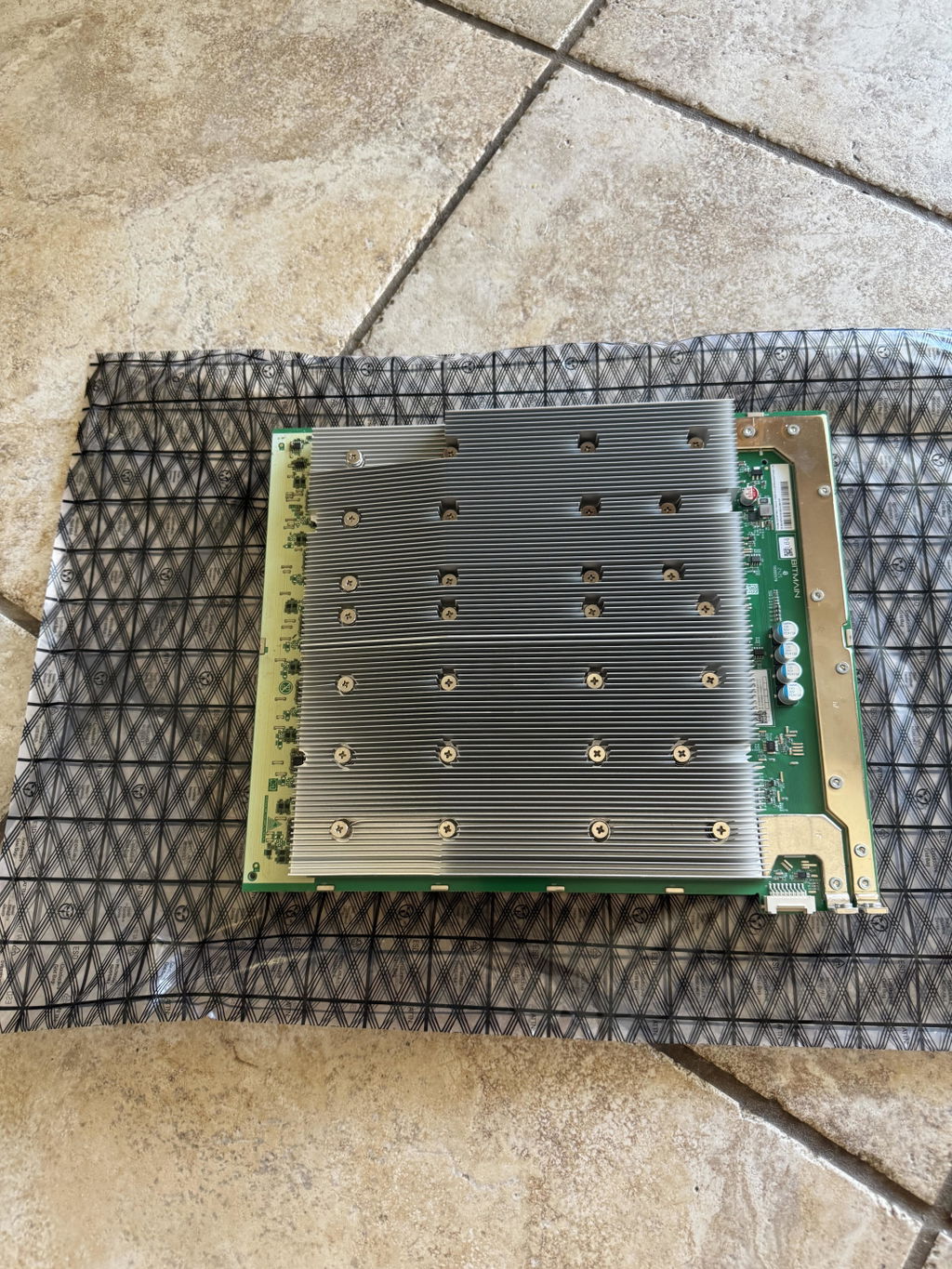
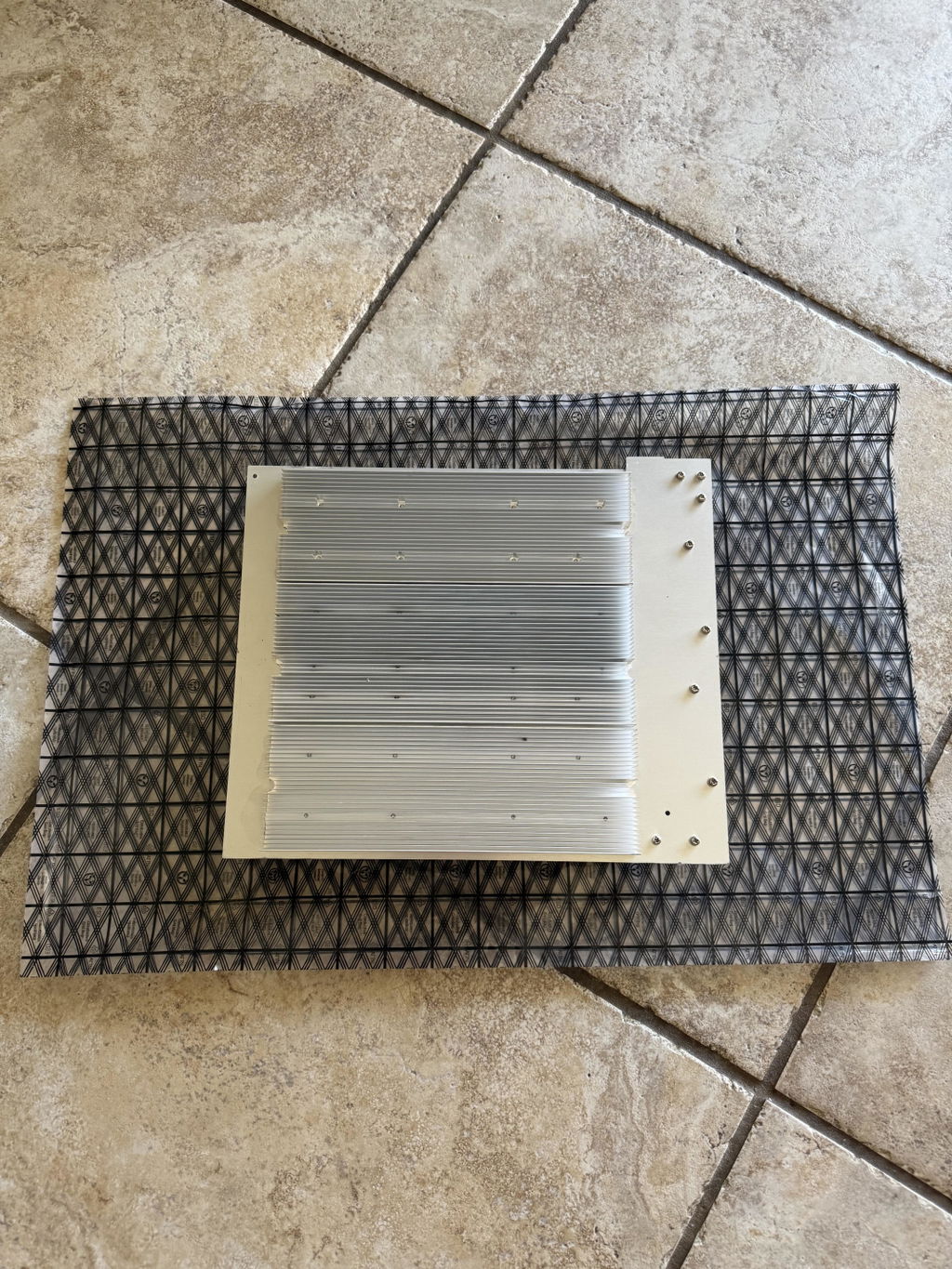
A healthy Antminer S21 Hydro hashboard answers with 216 chips. The same machine will also stop itself over one chip running hot while the coolant reads normal and the dashboard still shows every chip present. Both are board faults, both are repaired at component level in the USA, and the turnaround is 4-5 business days.
Antminer S21 Hydro hashboard repair is what this is, but the machine arrives whole: three boards sit in one sealed coolant loop, and opening that loop to pull a board out is how liquid reaches electronics in transit. So the unit ships complete, the failed board is identified on our bench with coolant running, and the repair is done at chip level in our USA-based lab rather than by swapping the board for another one. Deciding which of the three has failed is not something the interface does reliably, and it is not something you should have to do.
Technical Diagnostics and Common Issues with Antminer S21 Hydro
Quick Symptom Checklist
These are things this machine shows its owner. Chain numbers, chip numbers and temperatures differ from unit to unit, so match the shape of the line rather than the digits — and note that the machine numbers its boards from zero, so chain 2 is the one you would call the third.
A kernel log line naming one chip and one temperature, in the shape of asic temp too high, chain 2, asic 187, temp:98.17 — one chip, not the board and not the water
The dashboard showing 0 GH/s while the same page still lists all 216 chips on that chain as present
load chain 2 eeprom data, got nothing, usually printed several times in a row
A chip count below 216 on any chain — the log states it as find followed by the number it actually found
An error code from the miner's own table: P:1 and P:2 for temperature protection, J:6 for a temperature reading it does not accept, JX:1 for a bad chip on a chain, V:1 for the power supply
A machine that starts, hashes for a while, and stops again at roughly the same interval every time
Coolant that has changed colour, which Bitmain treats as a reason to replace the fluid before anything else is judged
Model-Specific Patterns We See on Antminer S21 Hydro
One chip takes the whole machine down while the water reads fine. The log names a single chip on a single chain and a temperature near 100 °C, the coolant is inside its working range, and the dashboard shows 0 GH/s with every chip still listed as present. Nothing about that picture looks like a board fault to the owner, which is why these machines sit idle for weeks. One chip is enough: the firmware stops the machine rather than let it run, and the other two boards stop with it.
The board cannot say what it is.load chain 2 eeprom data, got nothing, repeated, means the controller has nothing to configure that chain from. The consequences look dramatic and the causes are ordinary bench work — there are several of them, they are not distinguishable from the log, and the machine cannot tell you which one you have.
A stop on temperature is not automatically a stop from heat. This machine carries two separate protection codes, one for temperature too high and one for temperature too low, and both end the same way: the miner is down and the owner is looking at the chiller. On a liquid-cooled machine the reading itself is part of what can fail, so the question of whether the number is real comes before the question of what it means.
Below 216 is below 216. A chain that comes up with 210 chips is not a lesser fault than one that comes up with none, and it does not repair itself when the machine is restarted. The count is the one number on this machine that is worth trusting, and the only healthy value it has is 216.
Hardware Notes
Specification
Details
Algorithm and cooling
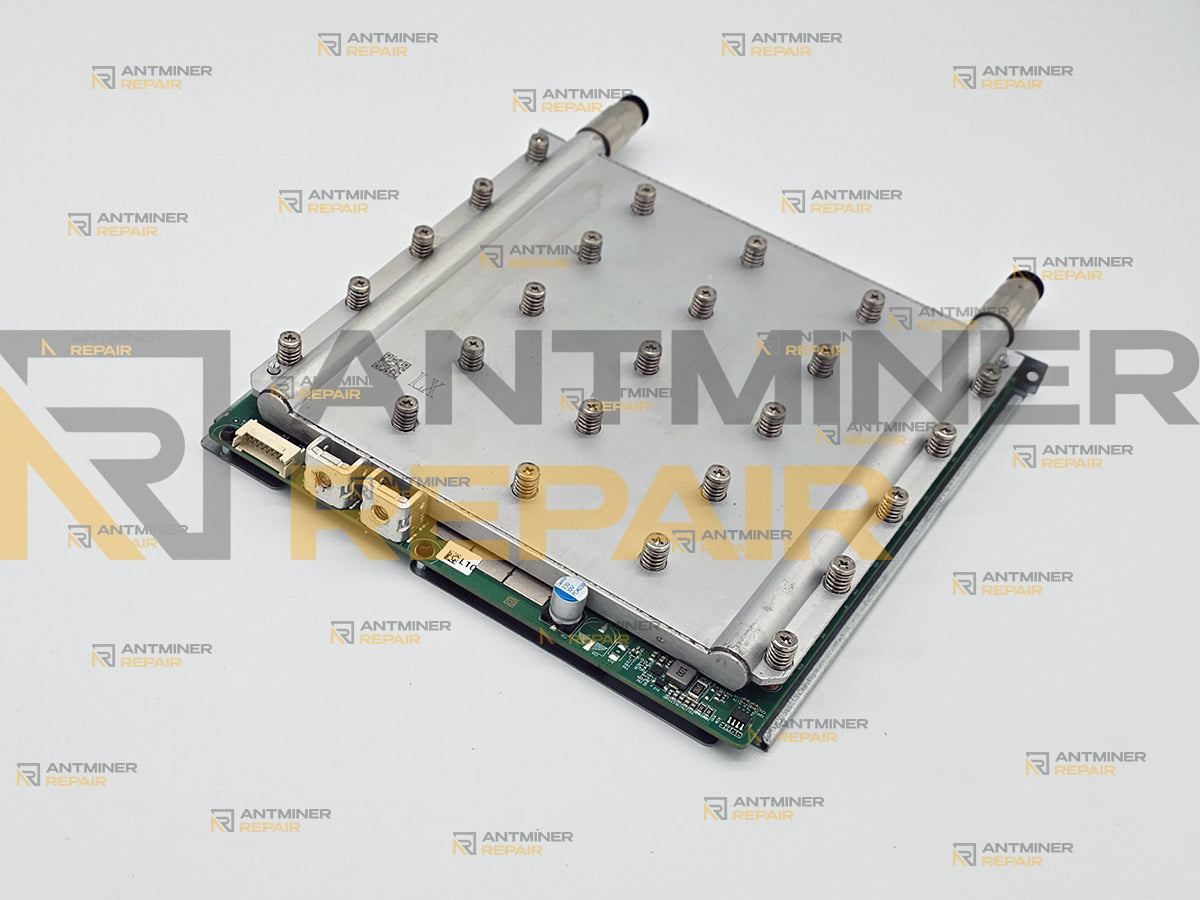
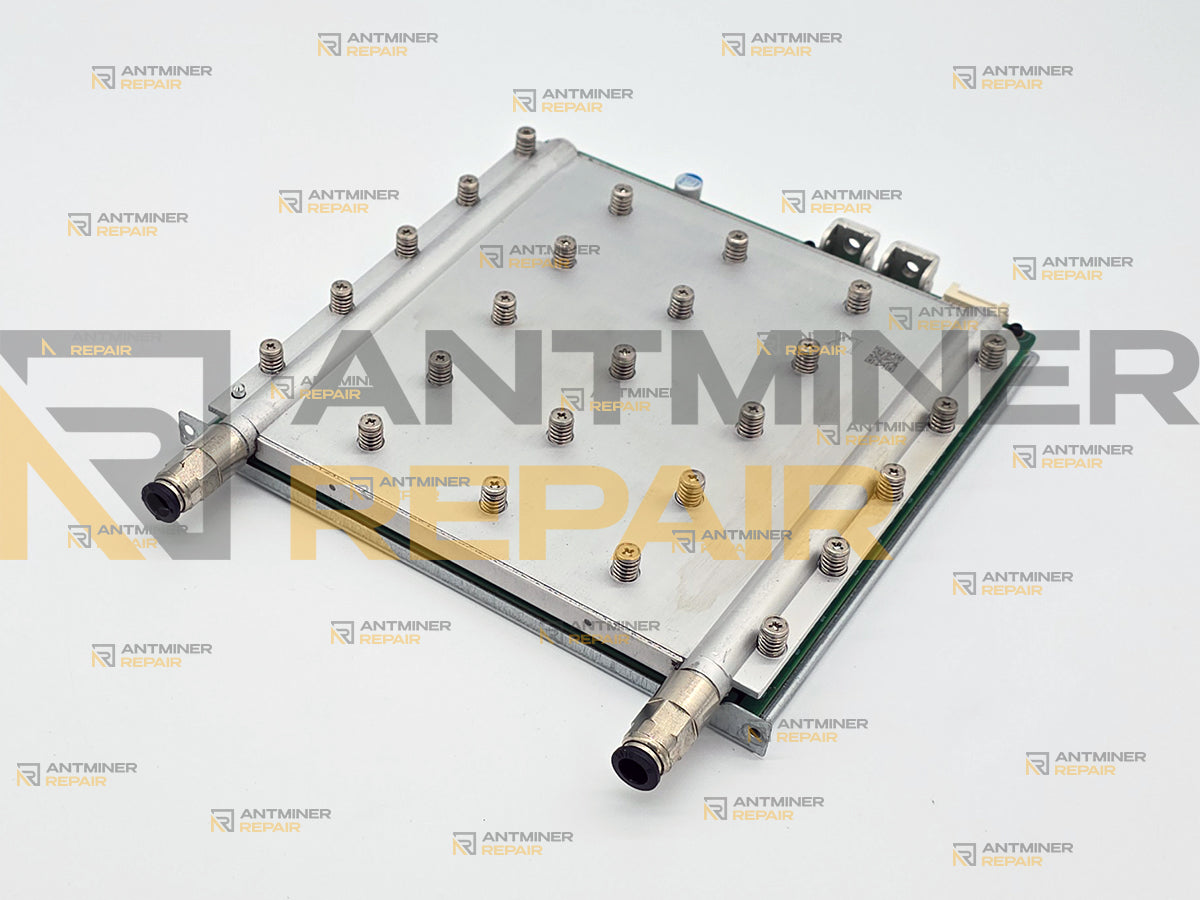
SHA-256, liquid-cooled and fanless. Each of the three boards carries a sealed cold plate and all three share one coolant loop through the machine. Bitmain writes the model as S21 Hyd. and calls the unit a server.
Miner hashrate
335 TH/s at about 5360 W, roughly 16 J/TH. One board out is a third of that, and stock firmware stops the machine rather than run it on the remaining two — so a single board fault costs the whole rate, not a third of it.
Hashboards per miner
3, called chain 0, chain 1 and chain 2 by both the log and the interface.
Chips per board
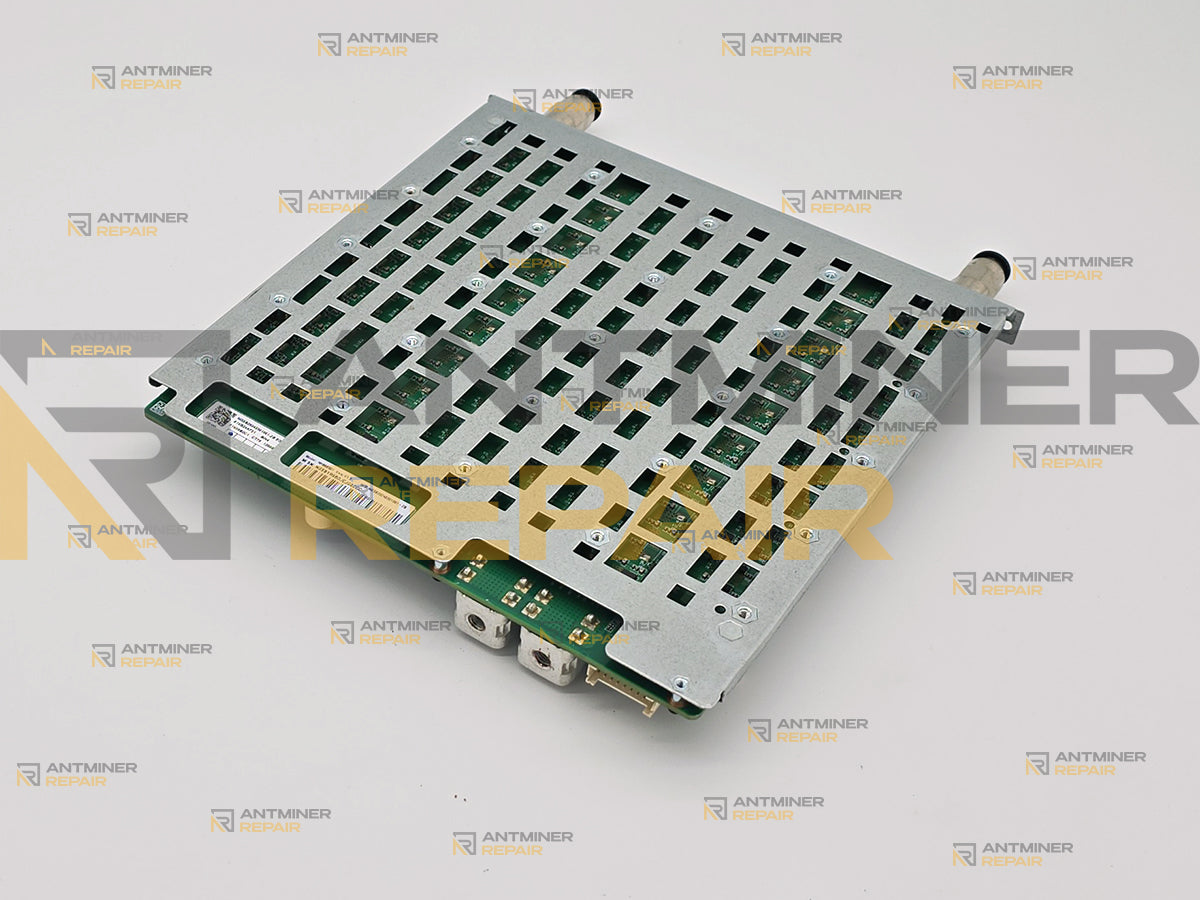
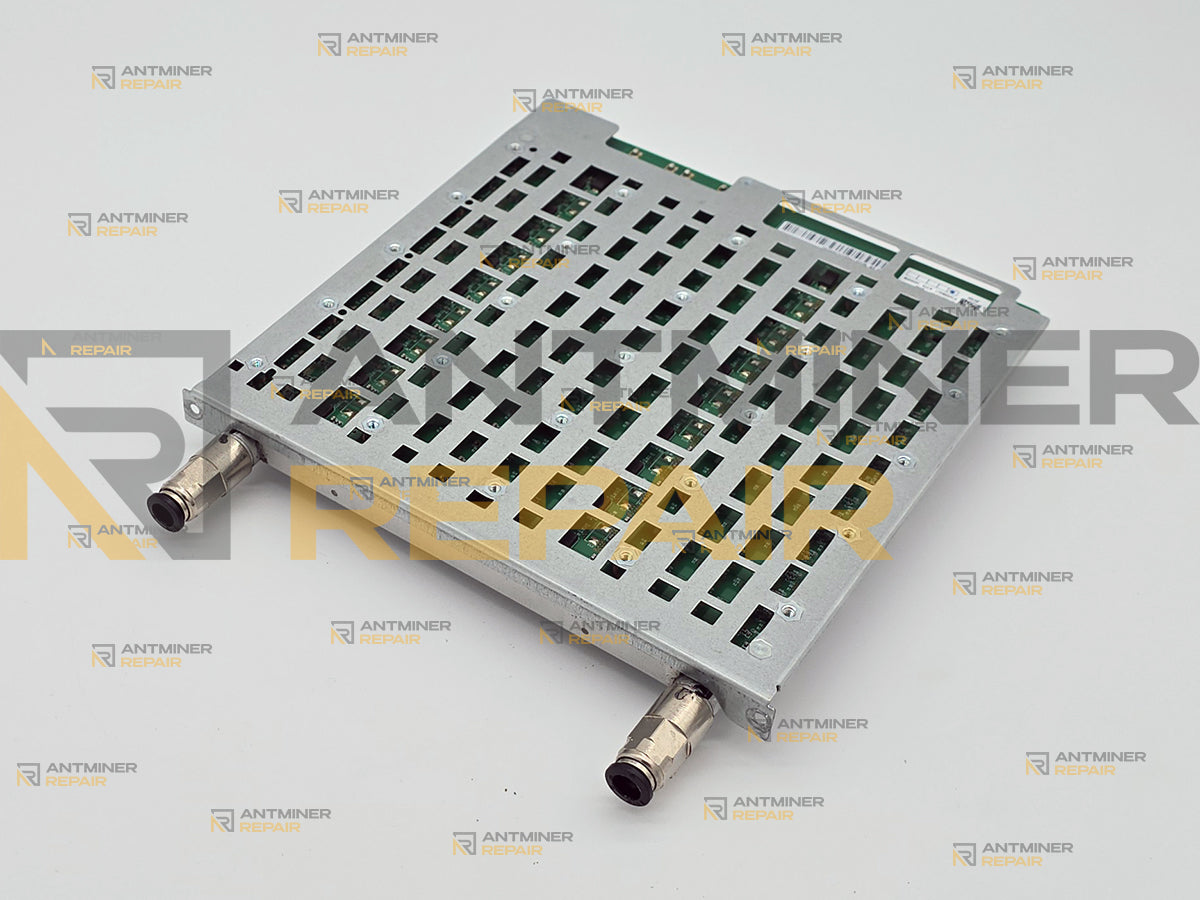
216, so 648 in the machine. Any number other than 216 on a chain is a fault, whether it is 215 or 0. What that count means, and why a partial count is not a partial fault, is set out on our page about ASIC count on the hashboard.
How the chips are grouped
18 groups of 12. The firmware calls a group a domain, and prints the number of domains and the number of chips in each alongside the chain's chip count, so the three numbers can be read together on your own screen.
Chip family
BM1368, supplied in several letter-suffixed versions. Nobody publishes what the suffixes mean, so the working rule is to match the marking already on the board rather than to infer it from the model.
Hashboard part number
HHB68501, with later builds HHB68502 and HHB68503. The leading H is Bitmain's mark for a liquid-cooled board, and the air-cooled S21 carries a different prefix with similar digits behind it — which is the single most common way a hydro board and an air board get mixed up when one is bought second-hand.
Coolant limits
Flow 8 to 10 L/min and pressure no higher than 3.5 bar. Bitmain's own replacement threshold for the fluid is a conductivity of 100 μS/cm, against under 20 μS/cm when a system is first filled, and a change in the coolant's colour carries the same instruction — stop and replace it.
Power supply
APW111721 series, three-phase. The miner's error table reports supply problems separately from board problems, which is worth checking before a board is blamed for a stop.
What the Log Is Telling You
Nothing here needs acting on. It is here so you can tell what state the machine is in before deciding to ship it.
What you see
What it usually means
What we do with it
A log line naming one chain, one chip and a temperature near 100 °C
One chip is running away on an otherwise healthy chain. The coolant can be perfectly normal while this happens.
We run the board in a live loop until it repeats, repair at chip level, and prove the board holds temperature under load afterwards.
0 GH/s on the dashboard with all 216 chips still listed
The chips are being seen but the machine is not mining — it has stopped itself for a reason stated further up the log.
We read the log above the stop rather than the dashboard, because the dashboard shows the state after the machine gave up.
load chain 2 eeprom data, got nothing
The controller could not read that board's stored identity and has nothing to set the chain up from. Several different faults end at this line.
We establish which of them applies to your board, repair it, and confirm the board is read correctly both cold and warm before it goes back.
A chain reporting fewer than 216 chips
Chips are missing from the chain. A few short and none at all are the same class of fault, not different degrees of one.
We bring the chain up under coolant, find where the count breaks, repair at component level and read all 216 back.
P:1 or P:2 from the miner's error table
Temperature protection — the first for too high, the second for too low. The code names the class of stop, not its cause.
We use the code to find the right part of the log and then read the log, and we ask for your inlet and outlet figures before quoting anything.
Diagnostics Focus
The count and the temperature are read together, in that order. On this board 216 is the only healthy count and there is nothing between 216 and a fault to interpret, so the count settles whether chips are missing before any temperature is discussed. A temperature that arrives after a clean count is a different problem from a temperature that arrives with a short one, and treating them as one question is how a machine goes back with half its fault still in it.
The loop is part of the test, not a preliminary to it. A board of this model is never brought up without coolant on the plate, so every reading we take is taken in a running loop at working temperature. That is also the practical reason the whole machine comes in rather than a board on its own: the loop the board lives in is part of what is being measured.
Our Professional Repair Process
Gotchas
Drain it and cap the ports before it ships. Coolant left inside a machine in transit finds its way onto electronics, and a board that has been wet and then powered up is scrap rather than a repair. Draining the loop and blocking the inlet and outlet is the one thing we ask you to do before the unit leaves you.
Thermal gel is printed fresh every time a plate comes off, and never reused. The cold plate sits on a compound spread across all 216 chips, and lifting it to reach one of them means the whole interface is renewed before it goes back on. A plate reseated onto its old compound runs hotter afterwards than it did before, which is how a machine can come back from a bench in worse shape than it went in.
Typical Service Scenario
A machine written off over one chip. The owner sees no hashrate, a full chip count and normal water, concludes the unit is beyond help, and starts pricing a replacement at several thousand dollars. What was actually wrong was one chip on one of three boards, and the repair is a fraction of one percent of that.
A unit bought second-hand with no history. These machines move between farms, and they arrive with a stop pattern the new owner has never seen, no service record, and often a coolant loop nobody can account for. Working out which of those things is the fault is the first half of the job.
Waiting on the factory. The manufacturer route for a liquid-cooled unit is measured in weeks or months once shipping in both directions is counted, and warranty windows have closed on people while they were waiting in it. A machine standing still for that long costs more than the repair does.
What Happens After Intake
The machine goes onto our bench loop whole: intake, incoming inspection of the coolant path and of all three boards, then diagnostics with the boards running under coolant rather than dry. Component-level repair follows, then cleaning and a freshly printed thermal interface under any plate that was lifted. Board-level verification runs on our STASIC and ASIC REPAIR fixtures, and the machine then runs under load for a minimum of one hour before it goes back. Extended burn-in beyond that hour is a separate add-on.
Diagnostics and Validation Equipment
Our STASIC and ASIC REPAIR fixtures read a board's chip inventory back the way the miner does, and on this model a pass means all 216 chips answered. That is the check that catches a repair which looks finished and is not. The verdict that counts after it is the machine's own: the board back in its slot, in the loop, holding its count and its share of the rate under real load for at least an hour.
All repairs are performed personally by Alex, who has been servicing ASIC miners since 2019. See credentials →
Q: My Antminer S21 Hydro shows 0 GH/s but the dashboard still lists all the chips and the water is normal. Is the board dead?
A: Not necessarily, and this is the most common way this machine presents. Look above the stop in the kernel log rather than at the dashboard: if there is a line naming one chain, one chip and a temperature near 100 degrees, one chip is running away and the firmware has stopped the machine over it. The other two boards stop with it because stock firmware will not run a miner short. That is a chip-level repair, not a dead machine.
Q: How many chips should a healthy Antminer S21 Hydro hashboard report?
A: 216 on each of the three boards, arranged as 18 groups of 12, which is 648 chips in the machine. Any other number on a chain is a fault, whether it is 215 or 0, and a count that is full when the machine is cold and short once it is warm is a fault too. A partial count is not a partial fault and it does not come back on its own.
Q: Can I send just one hashboard from my Antminer S21 Hydro, or do you need the whole miner?
A: The complete miner. The three boards sit in one sealed coolant loop: opening it to remove a board is how coolant reaches electronics in transit, and a board that has been wet and then powered is scrap. Sending the machine also means you do not have to identify the failed board yourself, which on this model the interface does not do reliably. Drain the coolant and cap the inlet and outlet before it ships.
Q: My board says HHB68501 but another machine of mine shows a number starting H6HB. Are they the same board?
A: No. Both are liquid-cooled boards, and they are not interchangeable: the chip count, the grouping and the chip family are all different between them. HHB68501 is the S21 Hydro board with 216 chips; an H6HB number belongs to a later 21-series hydro model. Send us the number your interface or log shows and we will confirm which machine you have before anything is quoted.
Q: The miner stopped on a temperature error, but the hall is cold and the coolant is cold. How can it be overheating?
A: It may not be. The miner's own error table carries two separate temperature codes, one for too high and one for too low, and a stop on either leaves the machine down. On a liquid-cooled machine the reading itself can also be the thing that failed, so the first question is whether the number is real, not what it means. Send us your inlet and outlet figures with the log and we will tell you which case you are in.
Q: I cannot work out which of the three boards failed. Do I need to know before contacting you?
A: No. On a liquid-cooled machine that is genuinely hard to establish from the interface, and it is not what you are paying for. Send the log page and the machine, and identifying the failed board is the first thing done on our bench, in a running loop.
Q: Bitmain quoted me weeks or months for a repair. Is there a faster route?
A: That is the usual reason these machines reach us. The factory route for a liquid-cooled unit is measured in weeks or months once transit in both directions is counted, and warranty periods have expired on owners while they waited. Our standard turnaround is 4-5 business days, in the USA, with the work done at component level rather than by swapping the board.
Q: Is a hydro hashboard actually repairable, or does the whole board have to be replaced?
A: It is repairable. The cold plate is bolted to the board rather than soldered to it, so it lifts off, the chips underneath are reachable, and the board is reassembled with a fresh thermal interface. Replacement is quoted as the only option far more often than it is actually the only option.
This product has no reviews of its own. The merchant grouped it with related products, so the reviews shown are from across that group.
M
Michael Tumidanski
My Antminer S21 Pro Hashboard Repair review
I recently experienced a failure of one of the three hashboards in my Antminer S21 Pro. The board ceased functioning, and I believe the cause was overheating. I sent the board to Antminer Repair for service.
The team handled the repair with professionalism and transparency. They remained responsive and kept me informed of the status throughout the process. I also appreciate that the company is based in the USA.
After reinstalling the repaired board, I observed that it now operates at a lower temperature and delivers a higher hashrate than the other two original boards in the same miner. The improvement in both thermal performance and hashing output has been clear and consistent.
I highly recommend Antminer Repair for Antminer hashboard repairs. Their technical workmanship and communication set a high standard. I would definitely use their service again.
Hi Michael, thank you so much for sharing your positive experience! We're thrilled to hear that the repair exceeded your expectations and improved your miner's performance. We appreciate your trust and look forward to assisting you again in the future!
S
Sean Gazaway
My hashboard was repaired flawlessly! and it was a quick turn around to add! Nothing but great
My hashboard was repaired flawlessly! and it was a quick turn around to add! Nothing but great things with these guys and looking forward to using their services again should the need arise.
Thank you, Sean! We’re delighted to hear you’re satisfied with our service. We look forward to assisting you again in the future.Appreciate that, Sean. Turnaround is the thing we watch hardest - a board sitting in a repair shop is a board not making money. Glad yours went out fast and clean. See you next time one acts up (hopefully not too soon).
A
Anonymous
Works great now
Hashboard is working fine after the repair. Happy with the final result.
Thank you for your positive feedback! We're glad to hear the hashboard is working well. Feel free to contact us if you need further assistance.
D
Daryl Guthrie
prompt turnaround with high level ability to diagnose
prompt turnaround with high level ability to troubleshoot, diagnose and rapid repair in order to get my S21XP hashboard back into service to recover losses from miner downtime. Great communication skills and honest. Highly recommend!!!
A
Anonymous
Great job!
Great job, quick return and everything as up and running as it should be! Thank you!
s
scott shadle
s21 repair
really appreciate the level of transparency and honesty as well at the quality of work.
R
Rand
Great service!
Aleksandr did great job repairing my S21 hashboard. I will use his service again. Very fast turnaround.
B
BitDog Mining Co.
Another SUPER job!!
B
BitDog Mining Co.
I love working with Aleksander. Fast repairs, super clean work.
Thank you!
Choosing a selection results in a full page refresh.
Opens in a new window.
Have a repair question?
Ask anything about miner repair, diagnostics, shipping, or your next step.