

Antminer Repair
Antminer K7 Hashboard Repair Service
Antminer K7 Hashboard Repair Service
By placing your order you agree to our Terms of Service, Warranty Terms and Refund Policy.
Drop off available in Fort Lauderdale, FL (2141 NE 51st Ct).
Repair guide last verified:
▸How to ship your hardware
Share
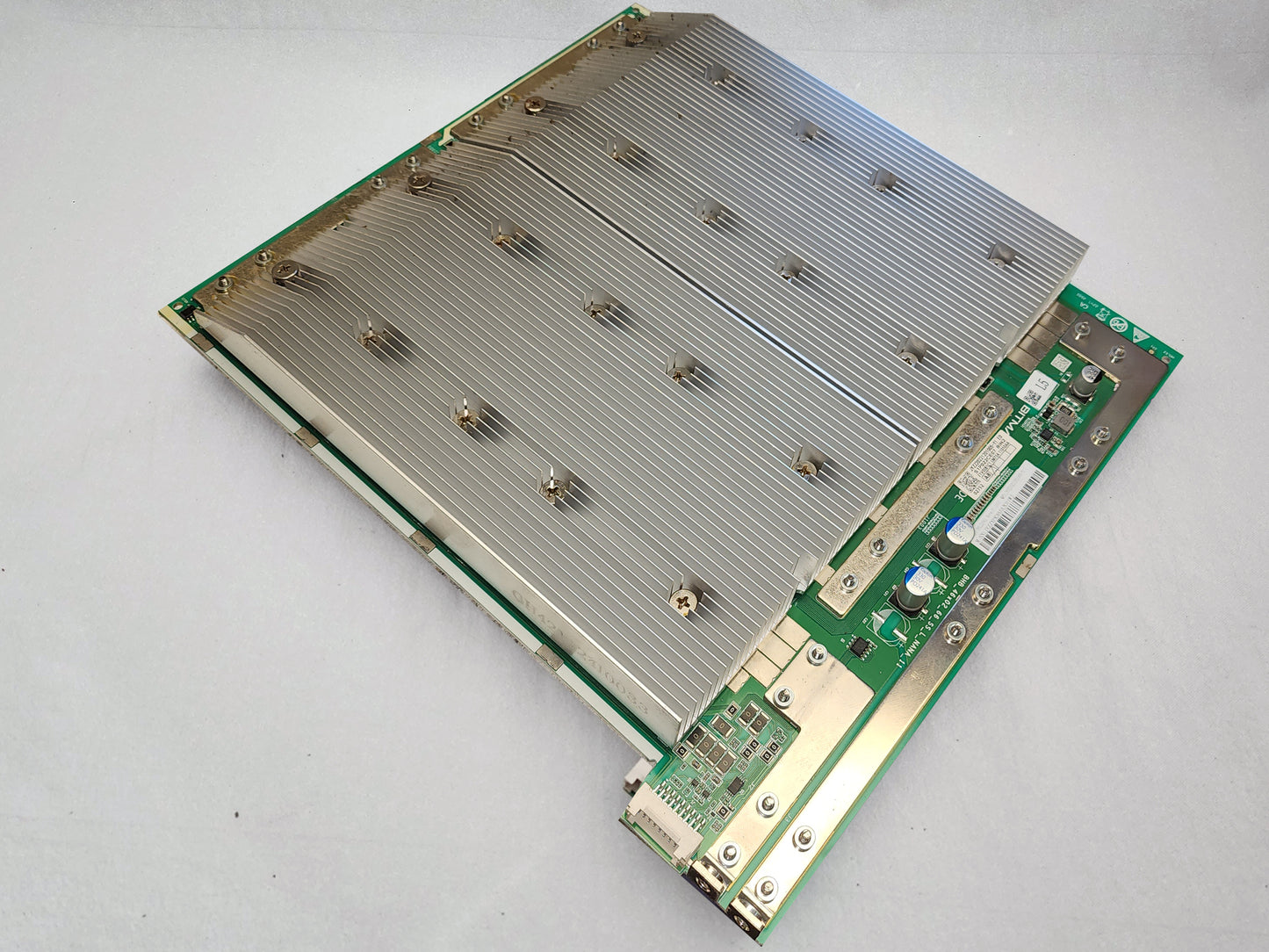
Antminer K7 hashboard repair is our USA-based component-level repair service for Bitmain K7 boards used in Eaglesong/CKB mining. We perform board-level diagnostics, BM2042AA ASIC troubleshooting, component replacement, signal-path checks, and load validation before the board is approved for return.
Technical Diagnostics and Common Issues with Antminer K7
Quick Symptom Checklist
- 0 ASIC detected or missing ASIC chain during startup
- Chain errors after boot or during autotune
- Unstable domains under load
- Overheating, abnormal temperature readings, or sensor failures
- Kernel log errors such as “failed to read hashboard” or “chain X has 0 asic”
- Voltage initialization errors or board power-up instability
Model-Specific Patterns We See on Antminer K7
- K7 boards that detect on a tester but fail after heat and current draw increase in a real miner.
- BM2042AA ASIC failures that interrupt chain communication or cause partial detection.
- Domain instability caused by weak power components, damaged signal parts, or previous repair attempts.
- Temperature sensor or EEPROM-related faults that prevent stable hashboard initialization.
Hardware Notes
| Specification | Details |
|---|---|
| Miner model | Bitmain Antminer K7 |
| Algorithm / coin | Eaglesong / CKB |
| Typical hashrate | 63.5 TH/s miner class |
| ASIC chip marking | BM2042AA |
| Cooling type | Air-cooled miner platform |
| Common failure area | ASIC chain, voltage domains, temperature sensing, EEPROM, and signal-path components |
Diagnostics Focus
- ASIC chain communication, BM2042AA failure isolation, and domain-level voltage behavior.
- Thermal stability, sensor feedback, EEPROM detection, and real-load hashboard validation.
Our Professional Repair Process
Gotchas
- K7 hashboards can look stable during a quick bench check but fail when the miner reaches real operating temperature.
- BM2042AA chip replacement requires controlled rework and proper thermal contact, because poor chip seating can create intermittent chain faults.
Typical Service Scenario
- A K7 miner reports one failed board, missing chain, or 0 ASIC detected after startup.
- The hashboard starts hashing, then drops out after heat builds up.
- The board arrives after operation in dusty, humid, or high-temperature mining conditions.
What Happens After Intake
After intake, we perform incoming inspection, diagnostics, component-level repair, cleaning, thermal interface service when required, bench validation with STASIC or ASIC REPAIR testers, and final testing in a real miner for at least 1 hour under load. Extended testing is available as a separate service.
Diagnostics & Validation Equipment
We use STASIC and ASIC REPAIR testers for controlled bench diagnostics, then validate repaired Antminer K7 hashboards in a real miner under mining load before approval.
Contact our repair team today and get your miner back to full power.
Technical FAQ
Q: Can you repair an Antminer K7 hashboard that shows 0 ASIC detected?
Q: Can you replace failed BM2042AA chips on an Antminer K7 board?
Q: Do you repair Antminer K7 boards with unstable domains?
Q: What does “failed to read hashboard” mean on an Antminer K7?
Q: How long does Antminer K7 hashboard repair usually take?
- 5 stars: 3 (100%)
- 4 stars: 0 (0%)
- 3 stars: 0 (0%)
- 2 stars: 0 (0%)
- 1 star: 0 (0%)
Really great experience! Repaired my K7 within a week and got it went back to me. Works perfectly.
Love the service very quick. I appreciate the feedback you gave during the repair repair process.
High quality