


BITMAIN
Antminer S17 and S17 Pro Hashboard Repair Service
Antminer S17 and S17 Pro Hashboard Repair Service
By placing your order you agree to our Terms of Service, Warranty Terms and Refund Policy.
Drop off available in Fort Lauderdale, FL (2141 NE 51st Ct).
Repair guide last verified:
▸How to ship your hardware
Share
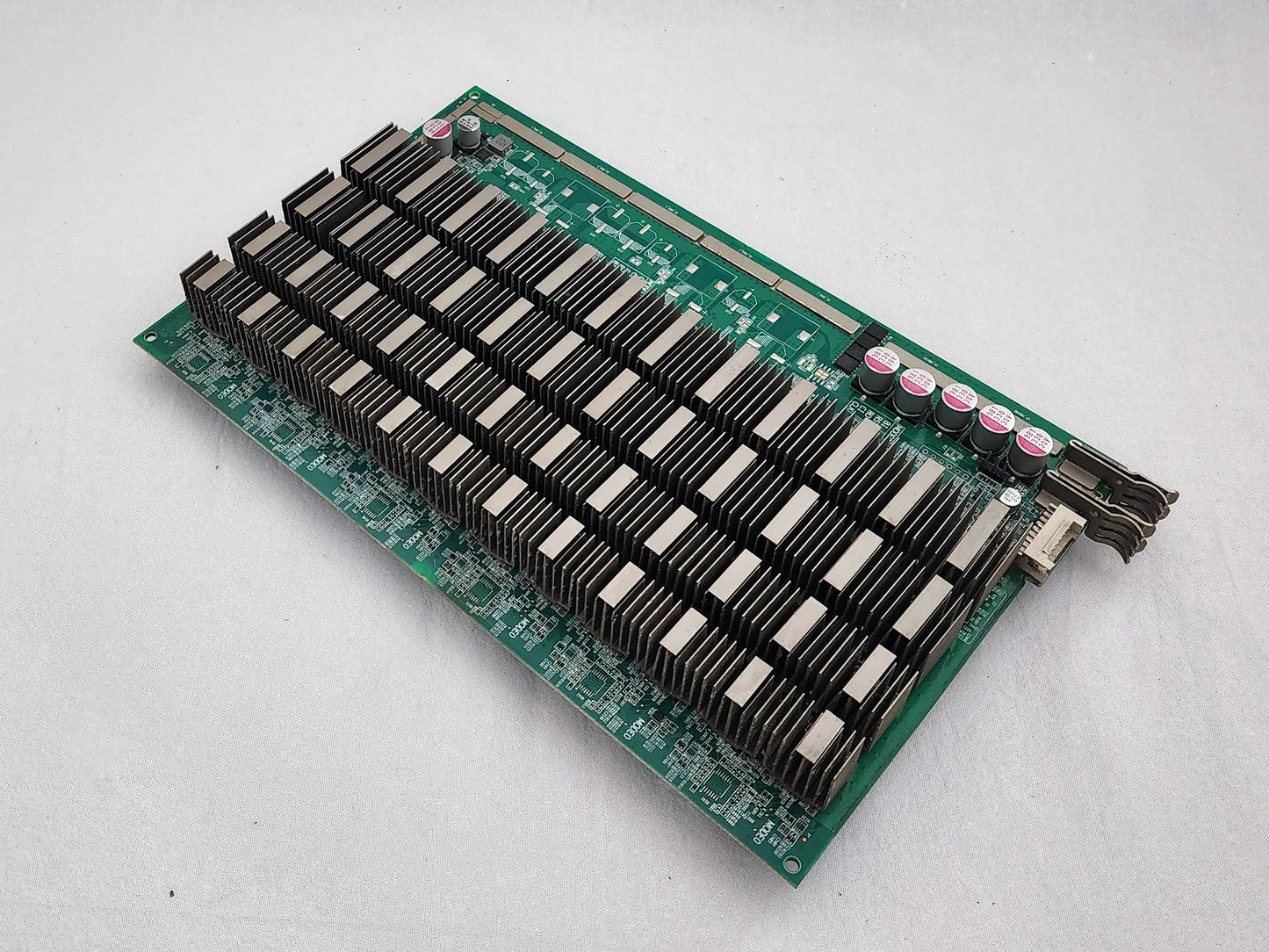
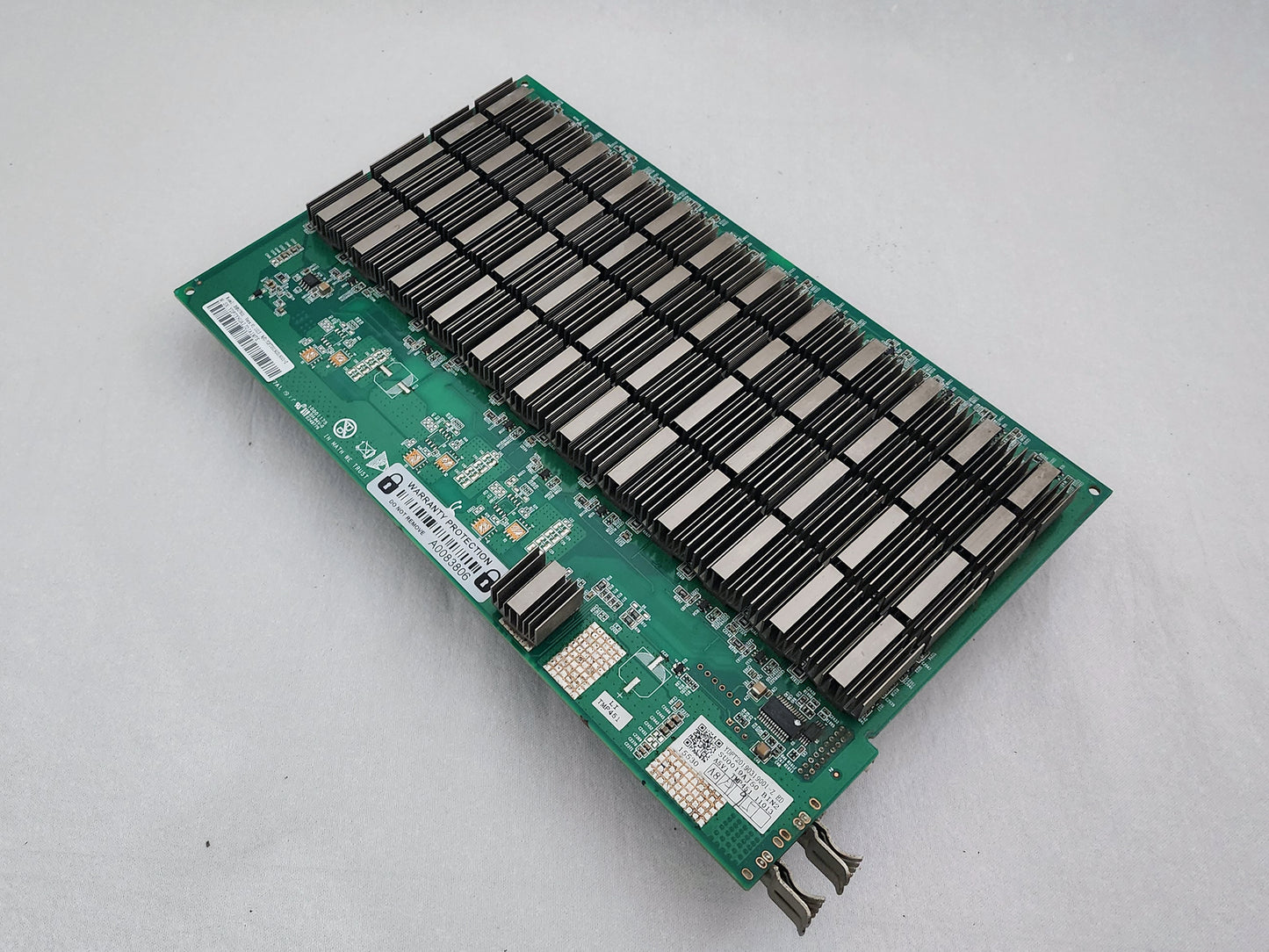
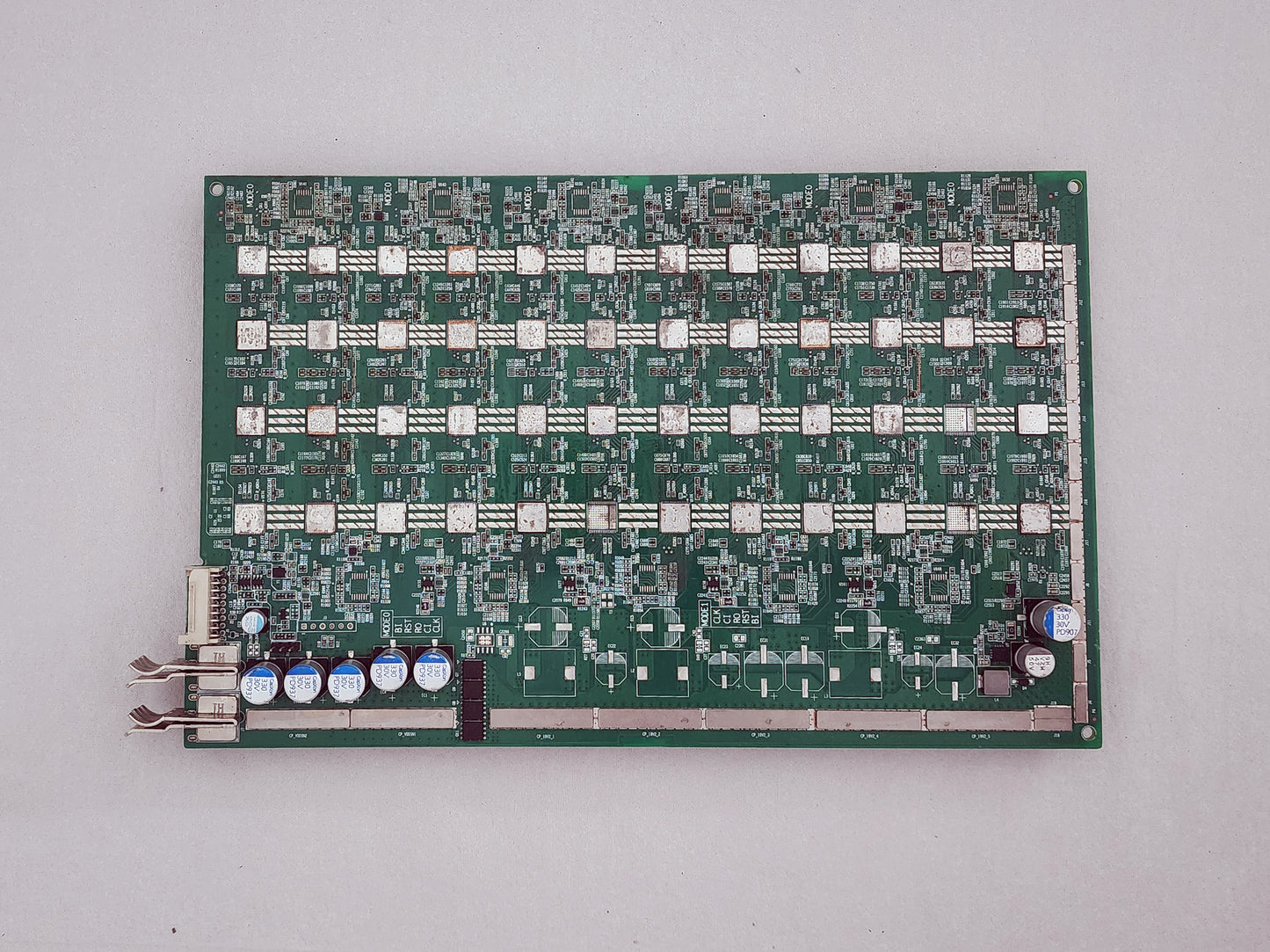
Antminer S17 & S17 Pro hashboard repair for failed BM1397 boards with board-level diagnostics, component-level repair, and load validation by a USA-based ASIC repair lab. This service is focused on S17/S17 Pro hashboards with missing chains, unstable ASIC counts, temperature sensor faults, power-domain issues, and damage related to the 17-series heatsink design.
Technical Diagnostics and Common Issues with Antminer S17 & S17 Pro
Quick Symptom Checklist
- One S17/S17 Pro hashboard is missing, shows 0 ASIC, or the kernel log includes
Chain[0]: find 0 asic,Chain[1]: find 0 asic,Chain[2]: find 0 asic,find 0 asic, will power off hash board, orno hash board found. - Partial chip count on one board, including log patterns such as
Chain[J6] has 16 ASIC,Chain[J7] has 20 ASIC,Chain[J8] has 47 ASIC,asic num is not right,find asic number error, orASIC count mismatchinstead of the expected 48 chips. - Chain communication failures, unstable domains, or signal-chain errors with messages like
failed to read hashboard,read chain data failed,nonce crc error,CRC error counter,chain X only find Y asic, or repeated board dropouts after warm-up. - ASIC status failures copied from kernel logs, including
ASIC X failed,status: 00000000,status: ffffffff,bad chip,chip status error, or one board hashing far below the other two boards. - Temperature sensor and thermal-path errors such as
Wrong temp sensor type,Can't get temperature sensor type,read temp sensor failed,temp lost,temperature sensor error,chain temp too high, orERROR_TEMP_TOO_HIGH. - Power, voltage, and startup faults including
ERROR_POWER_LOST,power lost,voltage init error,set voltage failed,Executing set voltage failed: I2C error,pic init failed, orget PIC voltage failed.
Model-Specific Patterns We See on Antminer S17 & S17 Pro
- Loose heatsinks and heat-related chip failure: S17 and S17 Pro boards are known for individual heatsinks separating, shifting, or losing thermal contact. This often leads to black ASIC areas, unstable chips, shorted nearby components, or a board that drops hashrate under load.
- 0 ASIC caused by power-domain or signal-chain failure: A board showing 0 ASIC is not always a single bad chip. On this 48-chip / 12-domain BM1397 platform, failed boost sections, domain problems, PIC-related issues, or broken RI/CLK/RST/CO communication paths can all cause the board to disappear.
- Temperature sensor path faults: S17/S17 Pro boards commonly show wrong sensor type, sensor read failure, or sensor index errors. In many cases the issue is not only the T451 sensor itself but also the ASIC or communication path tied to that sensor circuit.
- EEPROM, board identity, and model-mixing problems: S17 and S17 Pro hashboards share a platform but are not always safe to mix between chassis or firmware modes. We often inspect EEPROM data, board identity behavior, and previous repair history when a board is detected incorrectly or fails after a swap.
Hardware Notes
| Specification | Details |
|---|---|
| Algorithm | SHA-256 / BTC-family mining |
| Cooling type | Stock air-cooled platform with 4 fans |
| Factory hashrate range | Common S17/S17 Pro factory bins vary around 50–56 TH/s depending on model and mode |
| Hashboards per miner | 3 hashboards |
| Estimated hashrate per board | Approximately one-third of miner hashrate; commonly about 16.7–18.7 TH/s per board depending on factory bin |
| ASIC chips per board | 48 ASIC chips per hashboard |
| ASIC chip marking | BM1397 family; commonly BM1397AD, with BM1397AG / BM1397AH / BM1397AI also seen in compatible 17-series repairs |
| Voltage domains | 12 voltage domains, typically 4 chips per domain |
| Board base | Conventional PCB platform with separate individual heatsinks; not treated as a later aluminum-substrate noPIC board |
| Signal-chain behavior | CLK / RST / BO / CO move from chip 1 toward chip 48; RI returns from chip 48 back toward chip 1 |
| Key board components | PIC/controller area, EEPROM, boost converter, voltage monitor, LDO regulators, T451 temperature sensors, 18-pin data connector |
Diagnostics Focus
- Power-domain and chain bring-up: We focus on whether the BM1397 chain can initialize correctly across all 48 chips and 12 voltage domains, especially when the miner reports 0 ASIC or partial ASIC count.
- Thermal, sensor, and communication-path validation: We inspect the S17/S17 Pro temperature sensor path, EEPROM behavior, ribbon connector condition, and load stability because many boards fail only after warm-up or under real miner load.
Our Professional Repair Process
Gotchas
- 17-series heatsink failures can hide secondary damage. A loose heatsink may point to a damaged ASIC, but it can also indicate nearby shorts, weakened solder joints, or domain-level instability that needs to be found before the board is trusted again.
- S17 and S17 Pro board identity matters. EEPROM data, firmware expectations, and board configuration can affect detection. A board can be electrically repaired but still behave incorrectly if it was mixed, flashed, or previously modified incorrectly.
Typical Service Scenario
- Dust-loaded air path: The miner ran in a garage, warehouse, shed, or hosting space where dust packed into heatsink fins, causing heat accumulation and repeated temperature shutdowns.
- High humidity or corrosion exposure: The board shows oxidation around connectors, sensor areas, or small components, often with intermittent chain detection or unstable hashrate.
- No maintenance plus thermal cycling: The unit was restarted many times after overheating, shipped with weak heatsinks, or ran for long periods with degraded thermal contact until one board stopped hashing.
What Happens After Intake
- Intake and visual inspection for loose heatsinks, burnt ASIC areas, corrosion, connector damage, previous rework, and obvious domain-level damage.
- Incoming inspection to document whether the board is missing, partially detected, unstable, overheating, or failing with sensor-related logs.
- Board-level diagnostics focused on BM1397 chain continuity, domain behavior, sensor path, EEPROM behavior, and communication stability.
- Component-level repair when the fault is repairable, including failed ASIC-related faults, damaged small components, sensor-path faults, boost / regulator area problems, connector issues, or heat-related board damage.
- Cleaning and thermal-interface correction where needed, especially on boards affected by dust, oxidation, loose heatsinks, or poor heat transfer.
- Validation on STASIC / ASIC REPAIR equipment followed by at least 1 hour of testing in a real miner under load. Extended testing is available as a separate service.
Diagnostics & Validation Equipment
We use STASIC and ASIC REPAIR testers for bench-level board diagnostics, then confirm repaired S17/S17 Pro hashboards in a real miner under load. This helps catch faults that may not appear during a quick bench pass, including warm-up failures, unstable domains, sensor errors, and boards that only drop hashrate after sustained operation.
Contact our repair team today and get your miner back to full power.