


Antminer Repair
Antminer L9 Hashboard Repair Service
Antminer L9 Hashboard Repair Service
By placing your order you agree to our Terms of Service, Warranty Terms and Refund Policy.
Drop off available in Fort Lauderdale, FL (2141 NE 51st Ct).
Repair guide last verified:
▸How to ship your hardware
Share
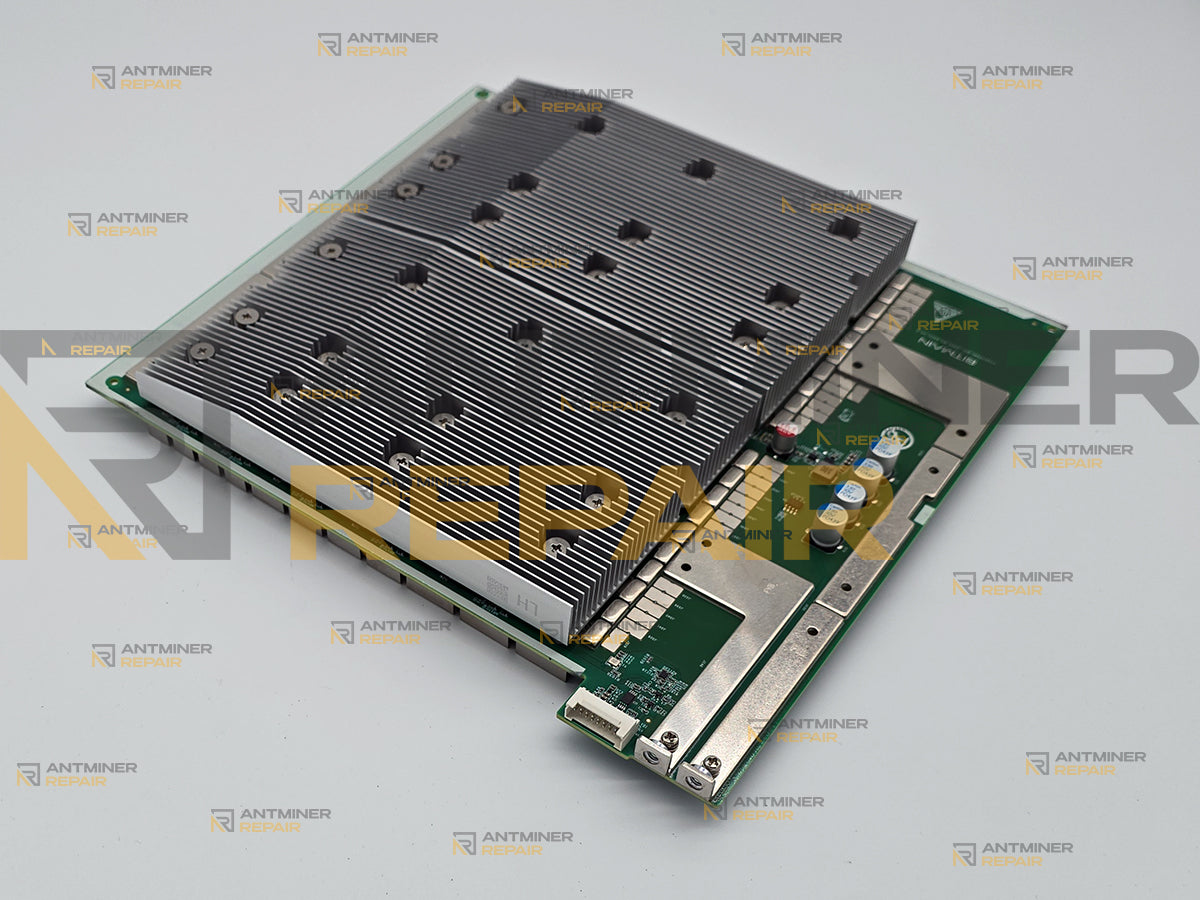
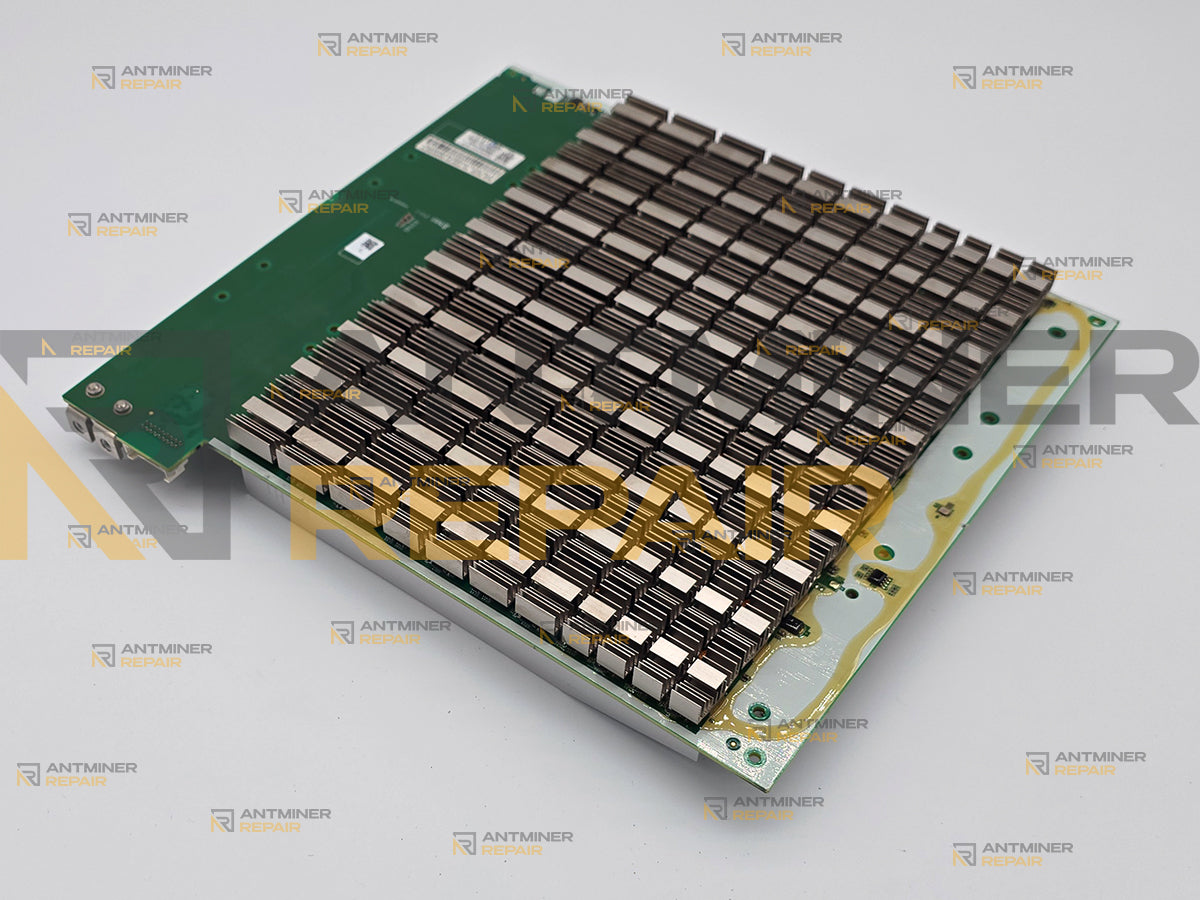
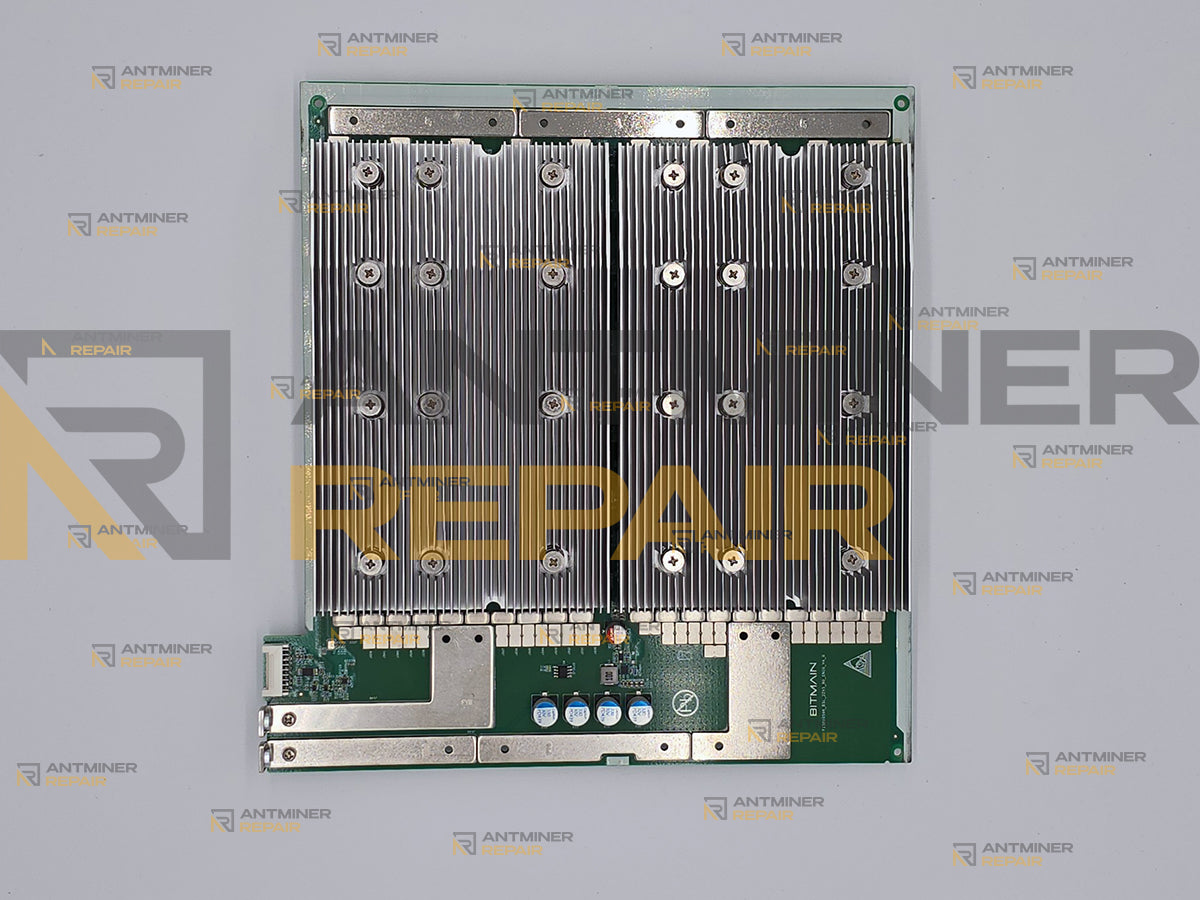
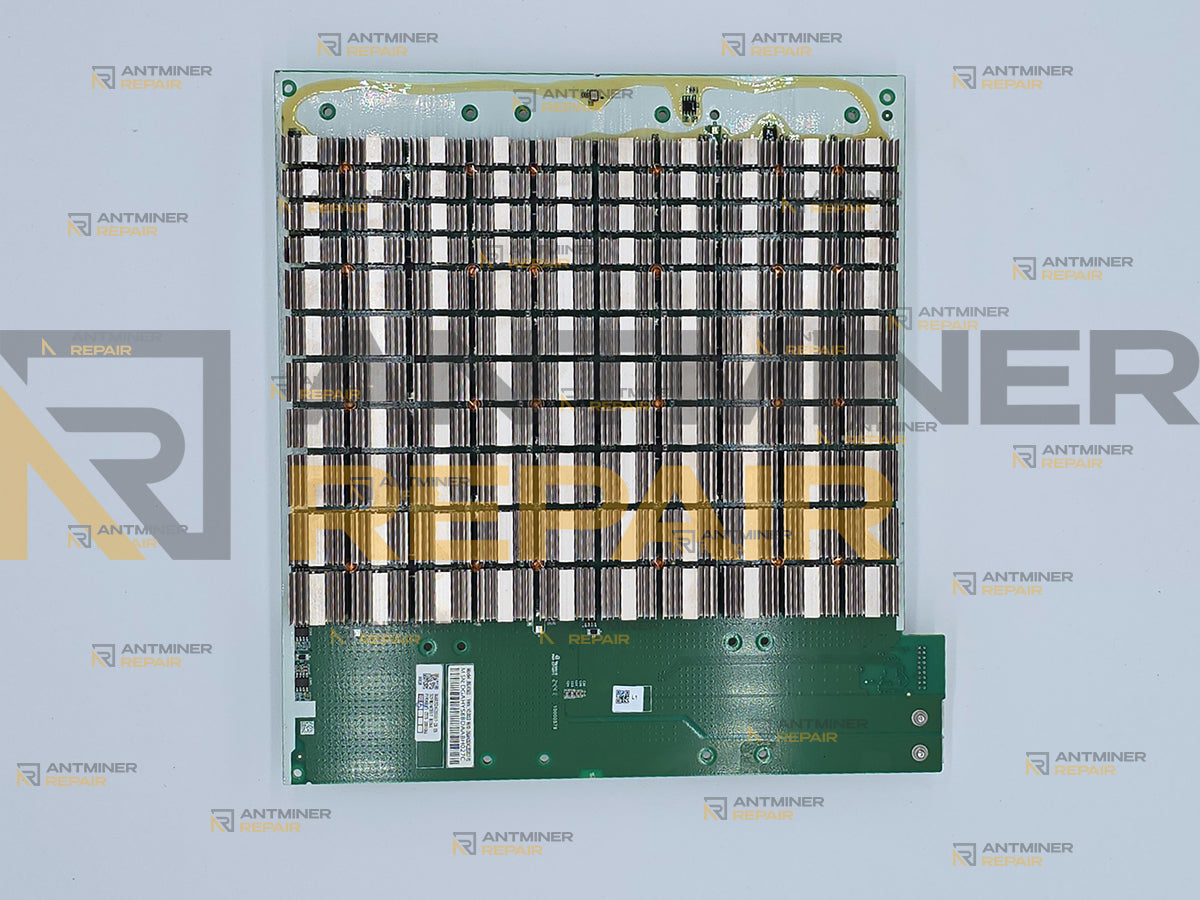
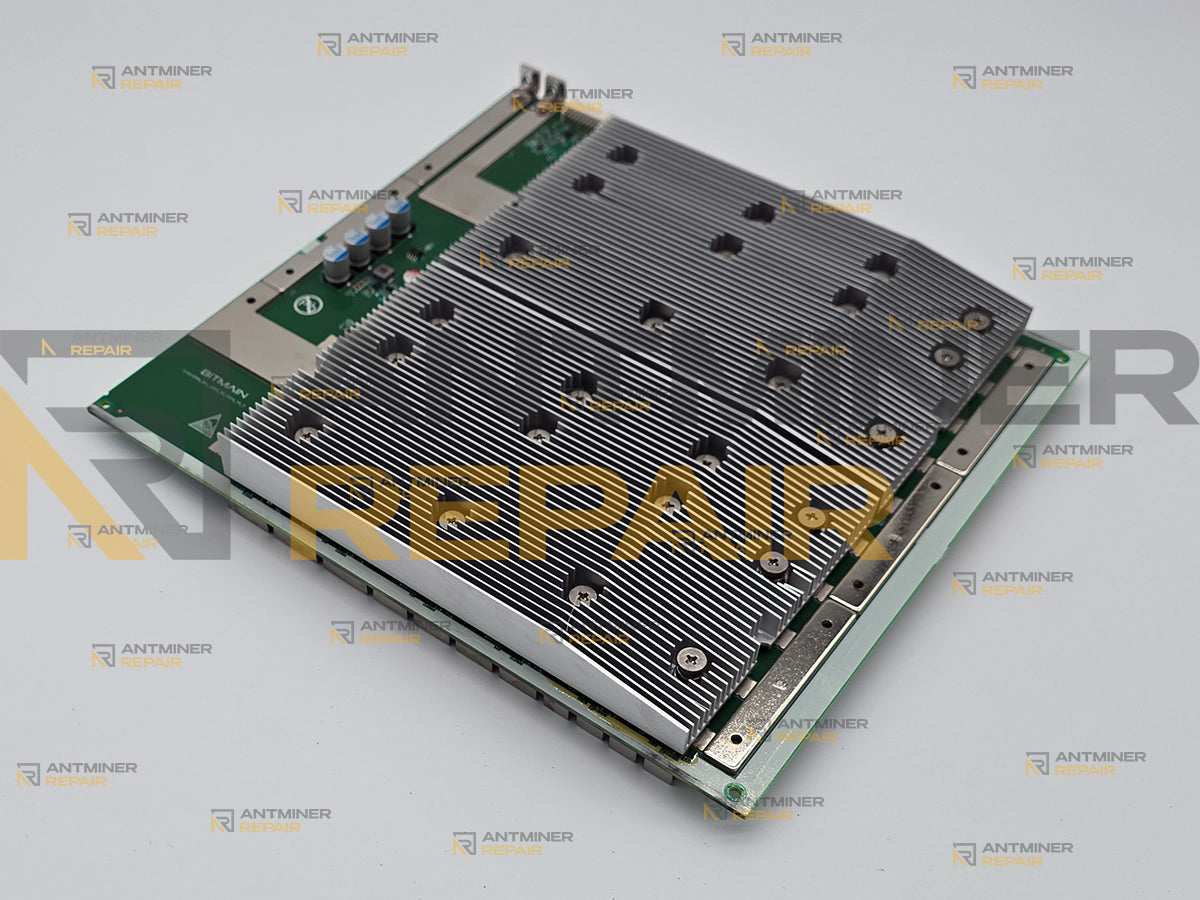
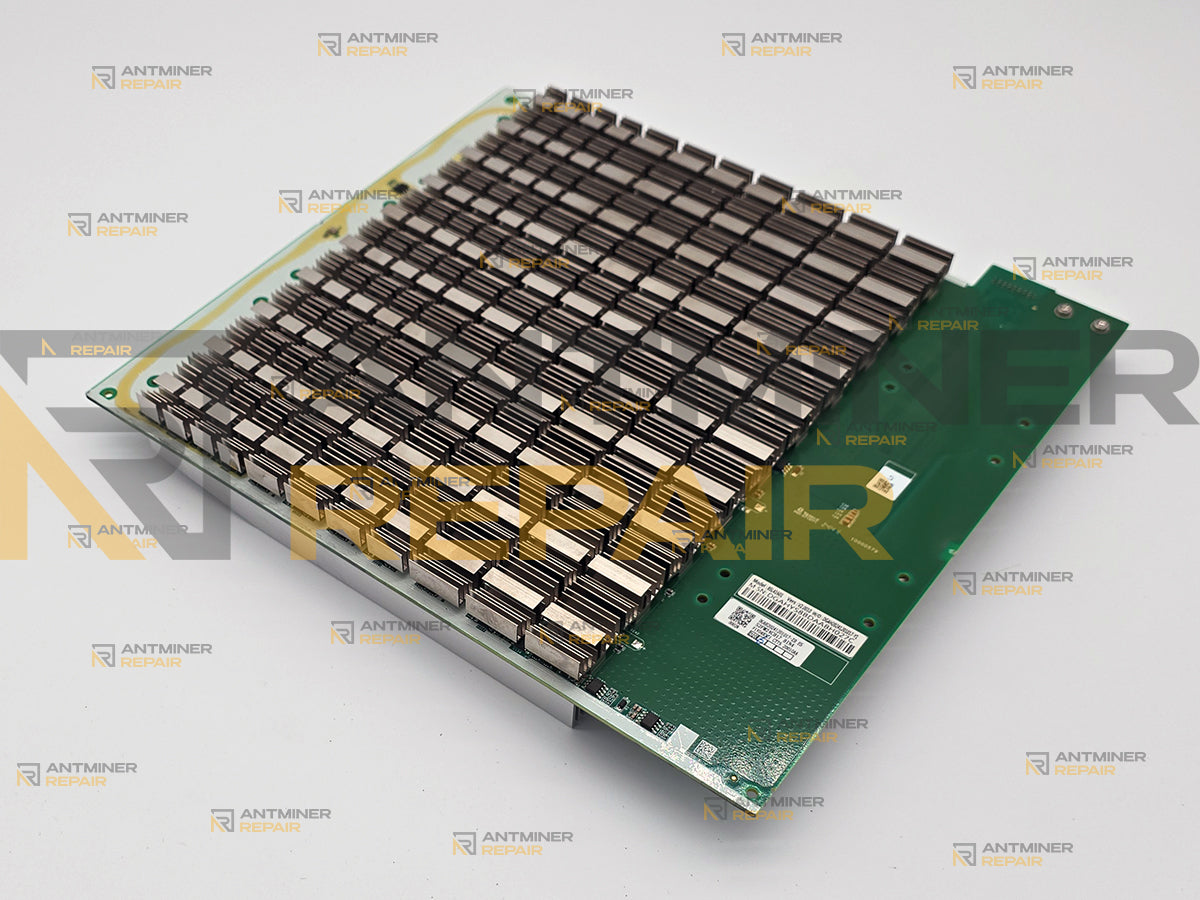
Antminer L9 hashboard repair restores full performance to your high-efficiency Scrypt miner. Our USA-based lab delivers board-level diagnostics, precise component-level repair, and rigorous full-load validation so your L9 returns to stable 16–17 GH/s operation without unnecessary downtime.
Technical Diagnostics and Common Issues with Antminer L9
Quick Symptom Checklist
- 0 ASIC detected on one or more chains
- Chain=X detect chip num 0 or incomplete chip count (less than 110 chips)
- Unstable domains, voltage init errors, or "asic num error"
- Sensor/temperature reading failures (failed getting chip temp)
- Low hashrate, Pattern NG, nonce reply issues, or EEPROM NG on tester
- Power circuit faults (LDO shorts, missing 1.2V/0.8V VDDIO on domains)
Model-Specific Patterns We See on Antminer L9
- LDO failures (1.2V & 0.8V) affecting early domains, causing partial or total chip detection loss
- Individual BM1491AA ASIC burnout from dust buildup, voltage spikes, or prolonged high-temperature runs
- Signal line or PIC/EEPROM corruption after continuous 24/7 operation in poorly ventilated environments
- Thermal stress leading to cracked solder joints
Hardware Notes
- Chips per board: 110 BM1491AA ASICs (BM1–BM110)
- ASIC chip marking: BM1491AA
- Board base: Standard PCB with aluminum heatsink interface
- Domain structure: 22 domains × 5 ASICs each (domain voltage ~0.61V)
- Additional features: High-current power delivery optimized for Scrypt algorithm; highly sensitive to dust and humidity due to dense domain layout
Diagnostics Focus
- Voltage domain mapping and LDO output verification (1.2V/0.8V) under load
- Full chain signal integrity testing from first to last ASIC
Our Professional Repair Process
Gotchas
- Protective compound on PCB requires careful removal to avoid damaging neighboring components during replacement
- Thermal deformation of the PCB under prolonged high-load Scrypt mining can shift solder joints - always re-apply fresh thermal interface material
Typical Service Scenario
- Miner operated in a dusty warehouse without regular filter cleaning → LDO overheating and domain voltage collapse
- High ambient humidity combined with continuous 24/7 running → corrosion on signal lines and intermittent chain errors
- Overclocking attempts without proper PSU stability → sudden ASIC burnout and "0 ASIC" reports
What Happens After Intake
Intake → Incoming visual and electrical inspection → Advanced diagnostics → Component-level repair (ASIC replacement, LDO/SMD fixes) → Thorough cleaning + fresh thermal interface → Validation on STASIC / ASIC REPAIR tester followed by minimum 1-hour real-miner load test in the USA. Extended burn-in testing available as an add-on service.
Diagnostics & Validation Equipment
We use professional STASIC and ASIC REPAIR fixtures for precise chip-level testing, followed by full integration testing inside a live Antminer L9 under real Scrypt workload to guarantee stability before return shipping.
Contact our repair team today and get your miner back to full power.
https://antminer-repair.com/pages/contact
Technical FAQ
Q: What are the most common reasons my Antminer L9 shows "detect chip num 0 design num 110" or incomplete chip detection?
Q: What if my Antminer L9 hashboard shows “110 ASICs found” but produces 0 GH/s?
Q: Why does my Antminer L9 hashboard pass detection but still stop hashing after warm-up?
Q: My Antminer L9 hashboard has unstable domains and low hashrate - can you fix BM1491AA chip issues?
Q: Do you test the repaired Antminer L9 hashboard under real mining load or just on a tester?
Q: What should I do if my L9 hashboard was damaged by dust or overheating - is trade-in available?
- 5 stars: 8 (100%)
- 4 stars: 0 (0%)
- 3 stars: 0 (0%)
- 2 stars: 0 (0%)
- 1 star: 0 (0%)
Excellent work and turn around!
Hi Mark, thank you for your kind words! We're glad you’re happy with the repair and turnaround.
Very good work on the L7. It’s been 3 weeks now and the board is running without any problems. Very pleased
Always lets me know what's going on
Excellent company, communication is outstanding along with their passion for their repair work and miners. I have had other companies make repairs and the workmanship was shoddy and it took forever to get the miners back... This company is super fast, which keeps me mining...thank you for your help!
Hashboards fixed and returned quickly. Great communication throughout the process.
Great price, quick ship over the holiday. Worked perfect.
I had 3 L7 hash boards and a PSU unit repaired. Within 3 business days it was ready for me to get back up and mining. Very knowledgeable and very quick with his responding to questions. I've had a great experience with there services and will continue to work with them. Thank you again for getting me up and running.
Did a great job