


Antminer Repair
Antminer S21 XP Hashboard Repair Service
Antminer S21 XP Hashboard Repair Service
Drop off available in Fort Lauderdale, FL (2141 NE 51st Ct).
✅ Turnaround: 4–5 business days
✅ Board-level diagnostics + repair
✅ Full load testing before return shipment
✅ Warranty: 30 days (extendable)
✅ Bulk discounts available
• Dead or missing hashboard
• Chain errors & unstable domains
• Power circuit faults (LDOs, shorts)
• Sensor & signal line failures
🔬 Component-level repair (ASIC chips, LDOs, power circuits, SMD parts)
🔥 Burn-in testing (under load)
🔍 Our repair process (step by step)
🛡 Warranty terms & conditions
💬 Contact us for volume pricing
Share
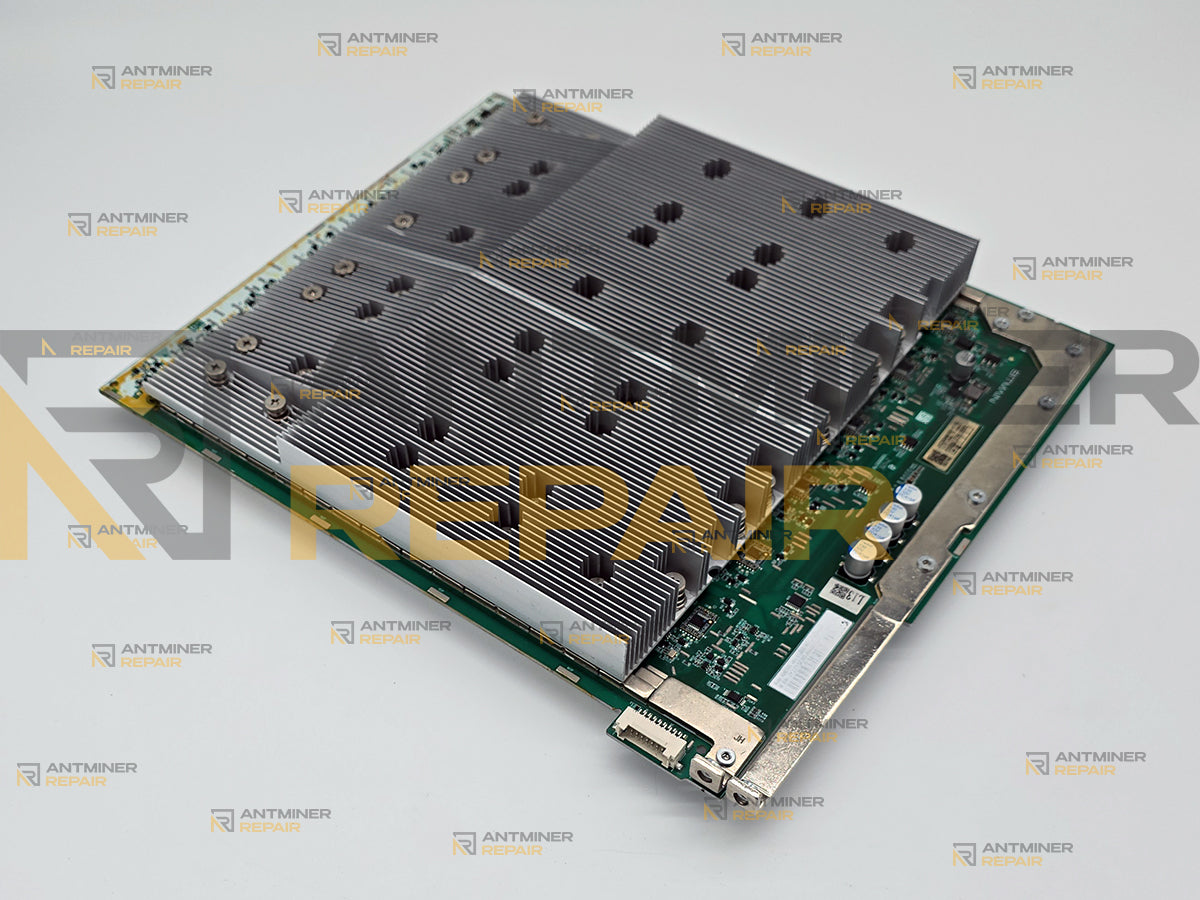
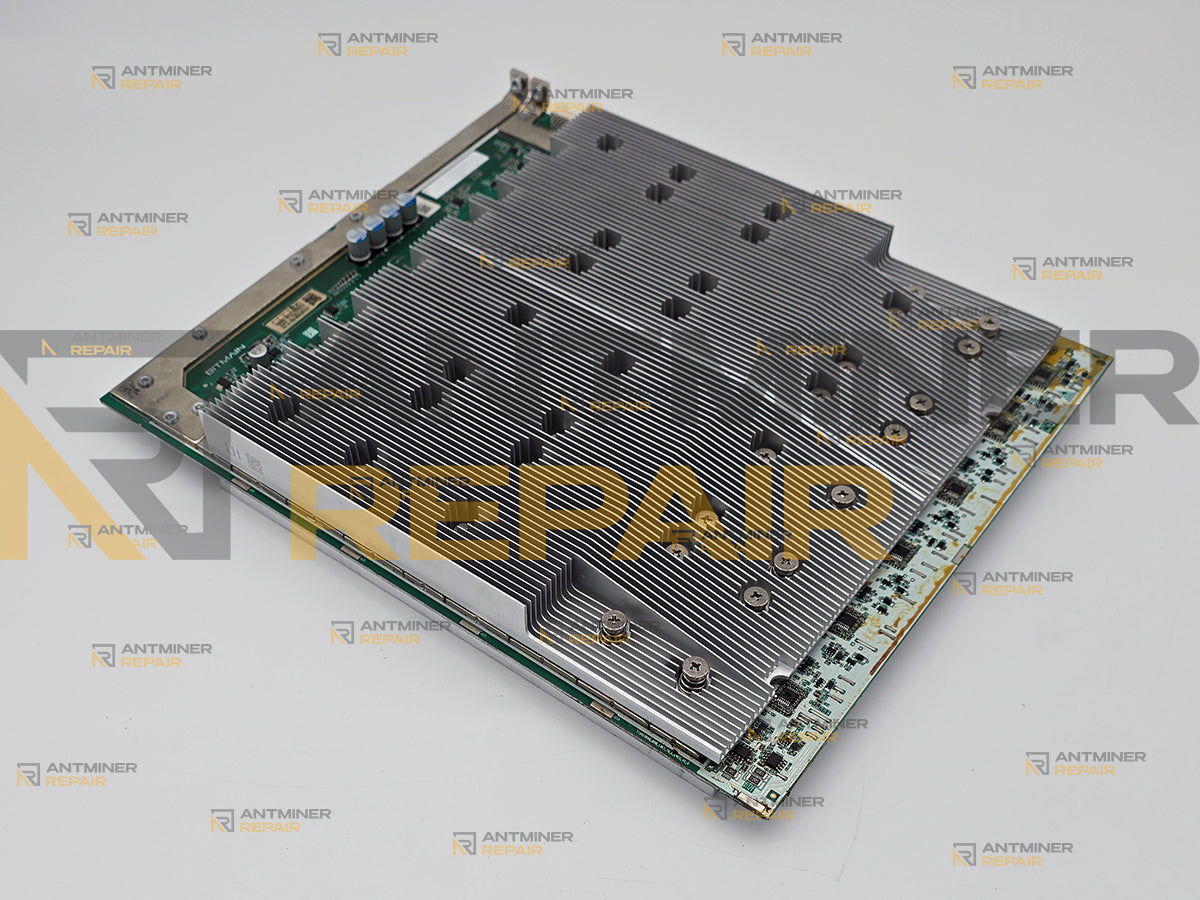
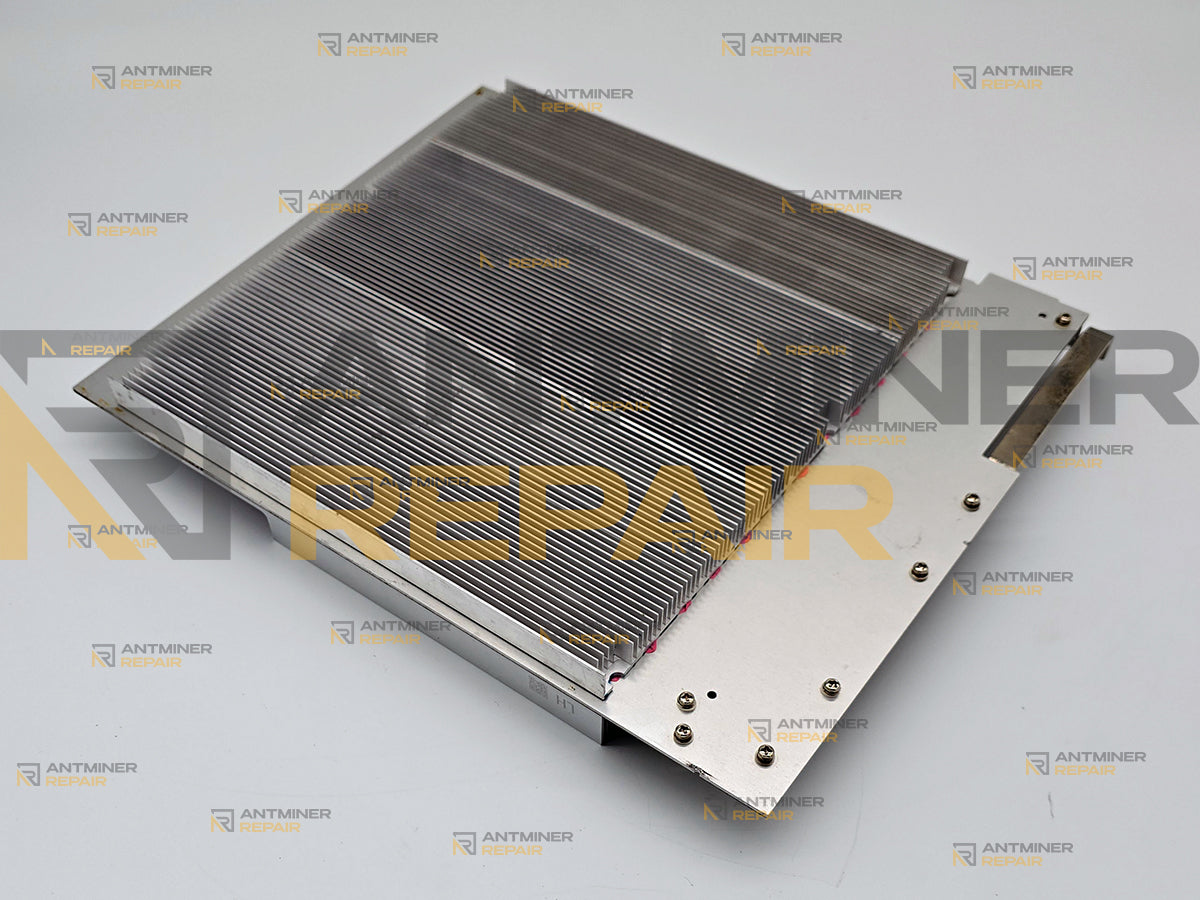
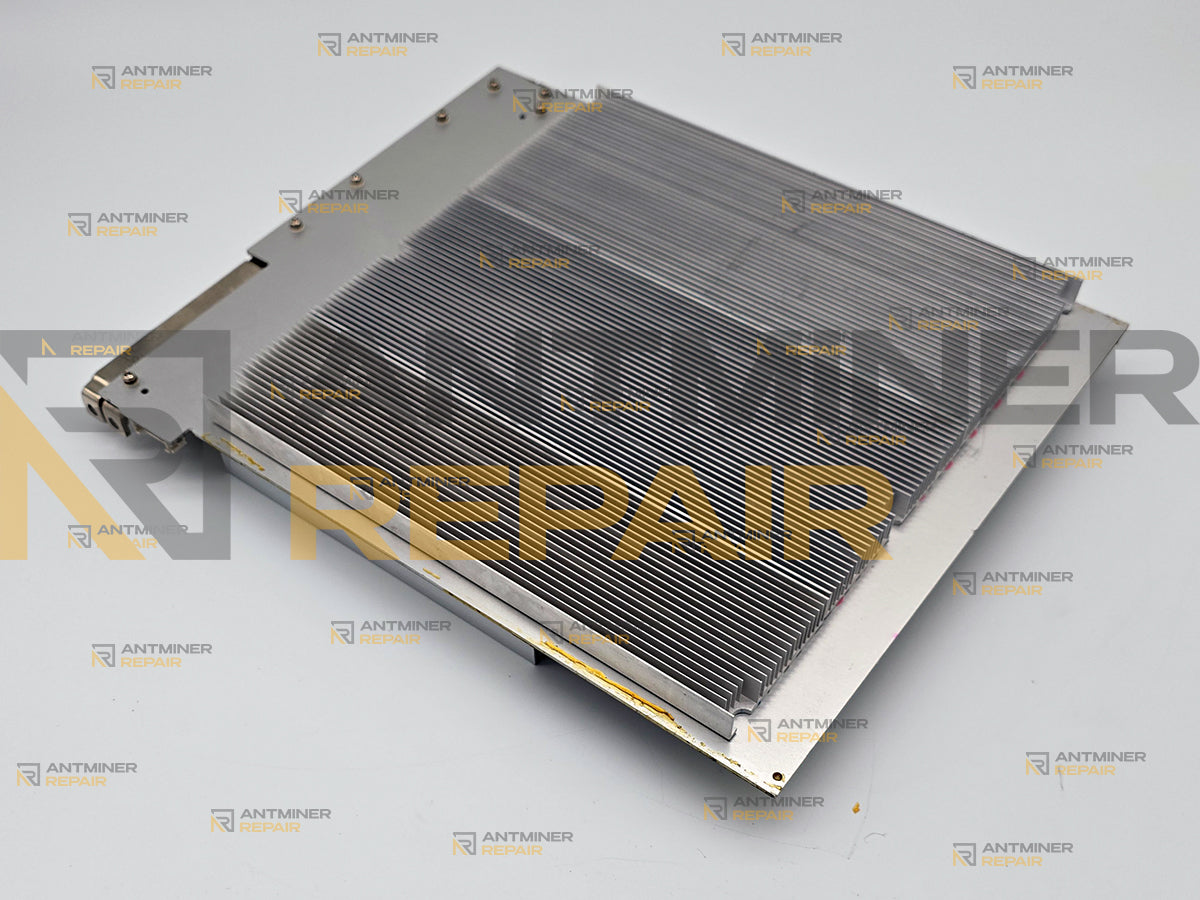
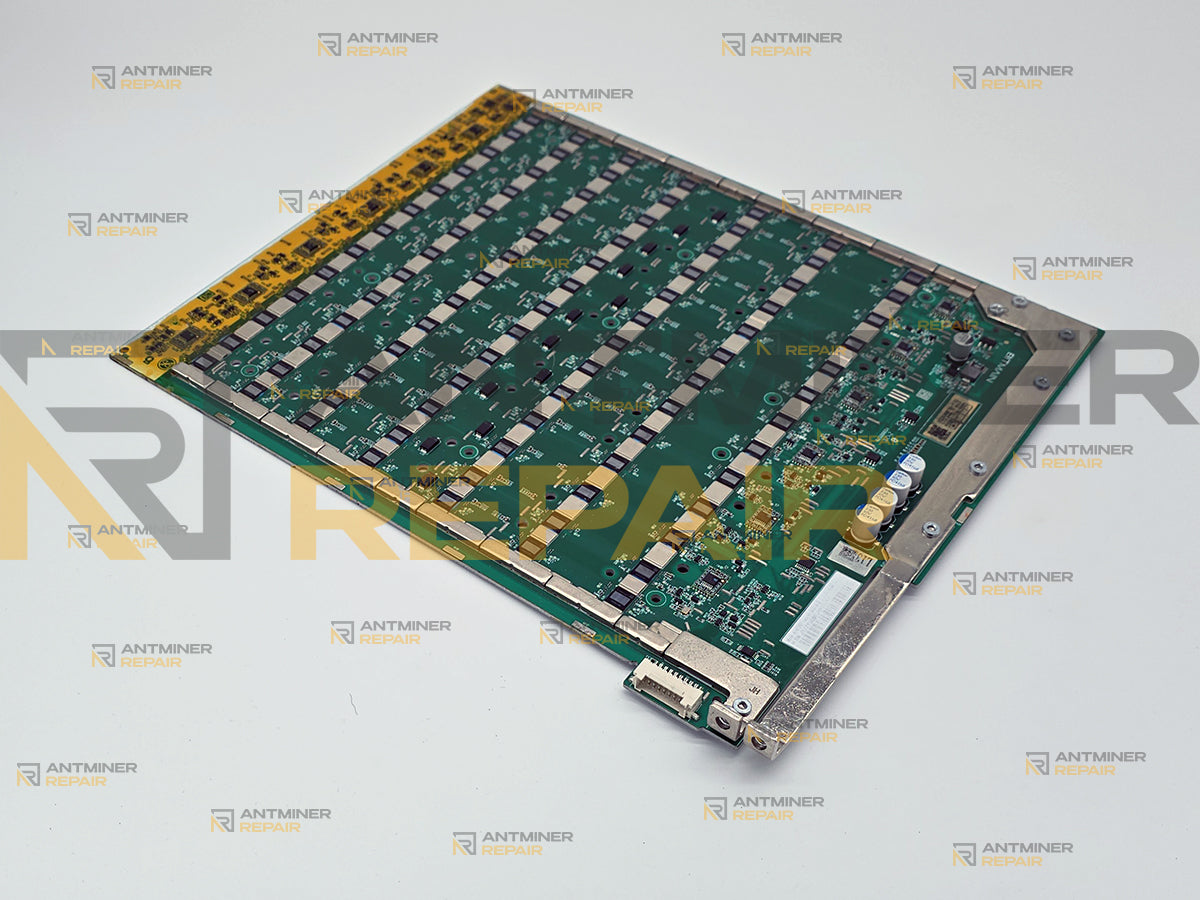
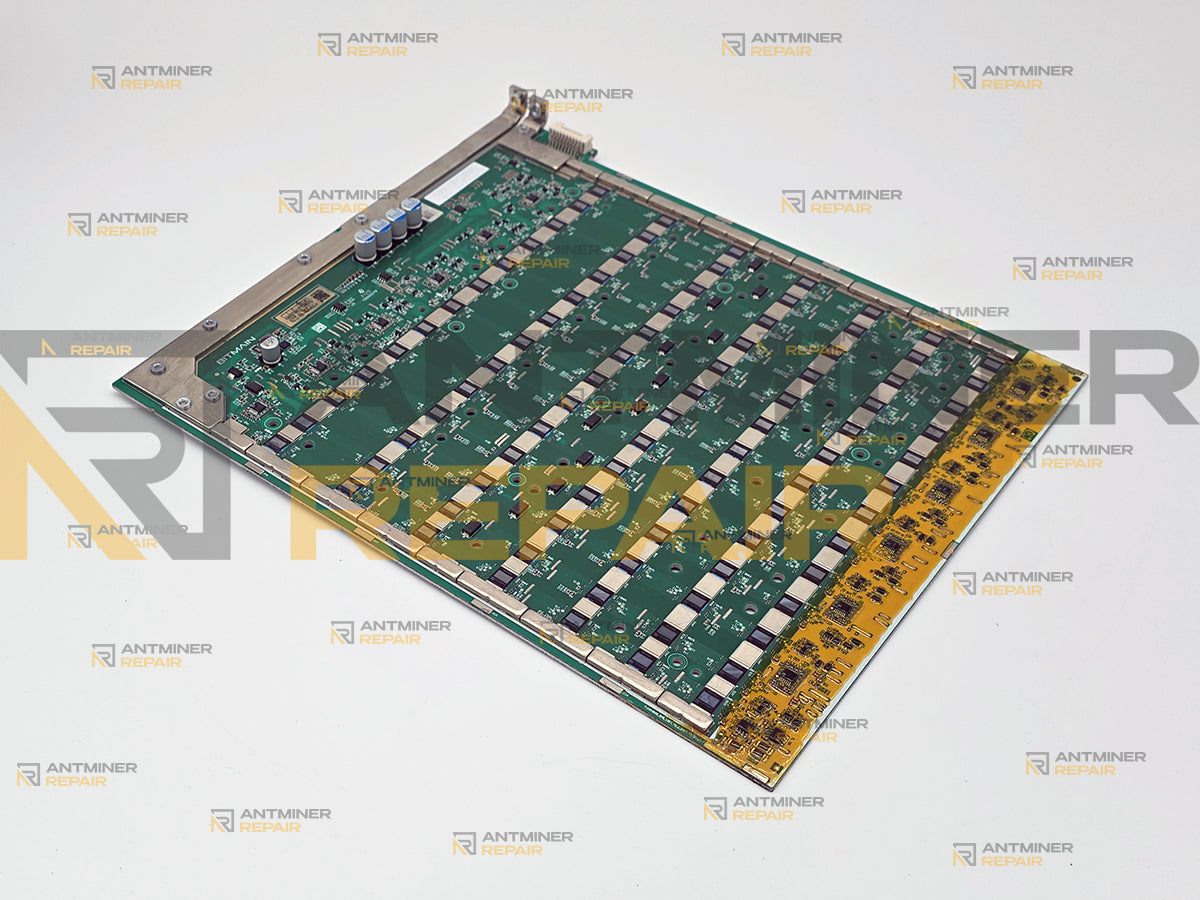
Antminer S21 XP hashboard repair with board-level diagnostics, component-level repair, and load validation for 91-chip BM1370P boards with 13-domain power architecture.
Technical Diagnostics and Common Issues with Antminer S21 XP
Quick Symptom Checklist
- One S21 XP hashboard detects fewer than 91 ASICs, including 0 ASIC or any partial count from 1 to 90
- Kernel log reports
ERROR_ASIC_NUM: asic number is not right - Miner may also report
stop_mining_and_restart: asic number is not right - Warning or sweep code
J4:2may appear in the log or web interface - Log may show
Chain X only find N asic, will power off hash board Xafter incomplete ASIC detection - ASIC temperature or voltage telemetry may stop updating, including
uninit_temp_infoanduninit_asic_temp_vol_info - Sensor-related follow-up messages may appear, including
fail to read switch temp for chain X, sensor Y
Model-Specific Patterns We See on Antminer S21 XP
- Domain-level power faults are common on S21 XP boards. Because each board uses 13 domains with 7 chips per domain, a failed 0.8V or 1.2V rail can knock out a full domain and cause low ASIC count or chain drop-off.
- Signal loss at domain junctions is a repeating pattern on BM1370P boards. This platform uses added signal-conditioning stages between domains, so failures around those transition points can produce partial detection, unstable board startup, or inconsistent chip counts.
- Thermal-contact problems show up more often after previous repair attempts or long operation in dusty airflow. Residual flux, poor heatsink contact, or degraded thermal interface can trigger one hot ASIC, thermal shutdown, or unstable operation under load.
- Sensor and peripheral faults can mimic chip failure. A bad temperature-sensing path or supporting component may generate sensor-related errors and force the miner offline even when the chain still partially responds.
Hardware Notes
| Specification | Details |
|---|---|
| Total miner hashrate | About 270 TH/s stock |
| Approximate hashrate per hashboard | About 90 TH/s nominal |
| ASIC chips per board | 91 |
| ASIC chip marking | BM1370 BC/PA |
| Board base | Aluminum-backed hashboard assembly with heatsink-based thermal structure |
| Domain structure | 13 domains per board, 7 chips per domain |
| Cooling type | Air-cooled |
| Algorithm | SHA-256 |
| Architecture notes | Multi-rail domain power design, onboard temperature sensing, domain-transition signal-conditioning circuitry, and BM1370P board layout with 91-chip chain architecture |
Diagnostics Focus
- Domain power diagnostics: verification of VDD domain behavior, 0.8V / 1.2V support rails, shorts on filter capacitors, and faults in local power regulation
- Signal-path diagnostics: tracing chip-to-chip communication across domain boundaries, especially where partial ASIC count, unstable detection, or repeated startup failure appears
Our Professional Repair Process
Gotchas
- S21 XP boards are sensitive to poor heatsink reattachment and contaminated chip surfaces. If flux residue or uneven thermal contact remains after rework, the board may pass basic detection but fail under temperature load.
- Because this platform packs 91 BM1370P chips across 13 domains, careless rework around one bad section can create new faults at the neighboring domain boundary, especially in signal-transition areas and local support rails.
Typical Service Scenario
- Miner runs in dusty air for long periods, airflow degrades, one section overheats, and the board starts throwing temperature or partial-ASIC errors.
- Board arrives after unstable power, surge events, or repeated hard shutdowns, and one domain no longer initializes correctly, leading to low ASIC count or complete chain dropout.
- Unit has had no maintenance for months, thermal interface degrades, temperatures climb, and the board begins to disappear intermittently during startup or under real mining load.
What Happens After Intake
Each board goes through intake, incoming inspection, board-level diagnostics, component-level repair, cleaning, thermal interface service, and validation. We use dedicated hashboard test equipment such as STASIC and ASIC REPAIR fixtures, then perform final verification in a real miner under load for a minimum of 1 hour. Extended testing is available as a separate service.
Diagnostics & Validation Equipment
We use dedicated S21-series diagnostic workflow with bench measurement, domain-voltage verification, signal-path tracing, STASIC / ASIC REPAIR test fixtures, and final live validation inside a working miner under load.
Contact our repair team today and get your miner back to full power.
Technical FAQ
Q: Why does my Antminer S21 XP hashboard show 71 or 72 ASICs instead of 91?
Q: What does ERROR_ASIC_NUM mean on an Antminer S21 XP hashboard?
Q: My Antminer S21 XP log says “chain X has 0 asic.” Is that always a dead board?
Q: What causes a temperature sensor error on an Antminer S21 XP hashboard?
Q: Why does my Antminer S21 XP hashboard pass detection and then shut off under load?
Q: Can an Antminer S21 XP hashboard have good chips but still fail because of the power section?
Q: What if my Antminer S21 XP log shows “sweep code J4:2” and the hashboard drops to 0 ASICs?
Q: What if my Antminer S21 XP board was working fine but shows “uninit_temp_info” after I replaced the thermal paste myself?
Q: What if I swap control cables and my Antminer S21 XP board still shows “Chain X only find 0 asic”?
Q: Why does my Antminer S21 XP hashboard show “stop_mining_and_restart: asic number is not right” after detecting fewer than 91 chips?
- Choosing a selection results in a full page refresh.
- Opens in a new window.
Have a repair question?
Ask anything about miner repair, diagnostics, shipping, or your next step.