


BITMAIN
Antminer S17+ Hashboard Repair Service
Antminer S17+ Hashboard Repair Service
Drop off available in Fort Lauderdale, FL (2141 NE 51st Ct).
✅ Turnaround: 4–5 business days
✅ Board-level diagnostics + repair
✅ Full load testing before return shipment
✅ Warranty: 30 days (extendable)
✅ Bulk discounts available
• Dead or missing hashboard
• Chain errors & unstable domains
• Power circuit faults (LDOs, shorts)
• Sensor & signal line failures
🔬 Component-level repair (ASIC chips, LDOs, power circuits, SMD parts)
🔥 Burn-in testing (under load)
🔍 Our repair process (step by step)
🛡 Warranty terms & conditions
💬 Contact us for volume pricing
Share
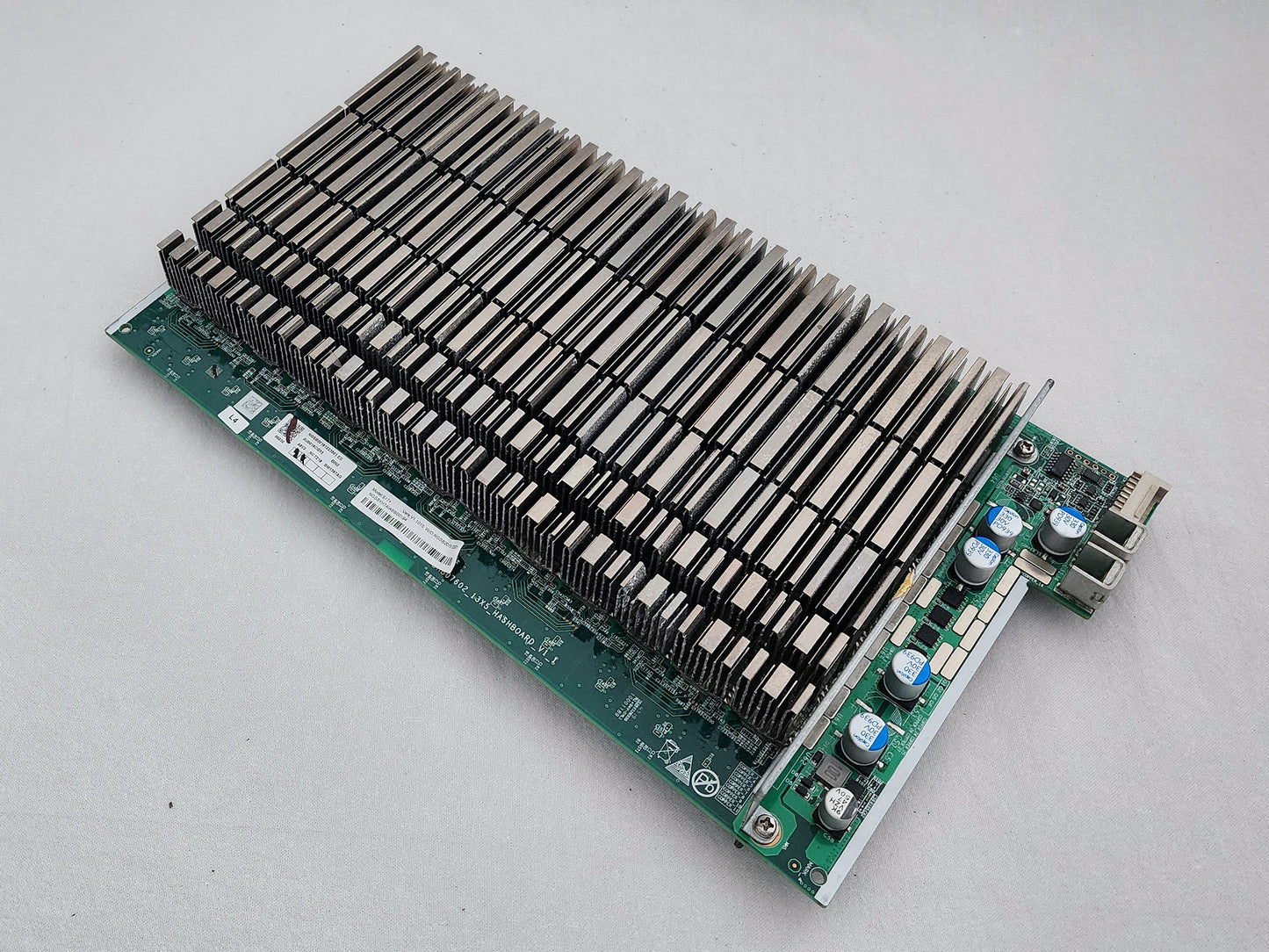
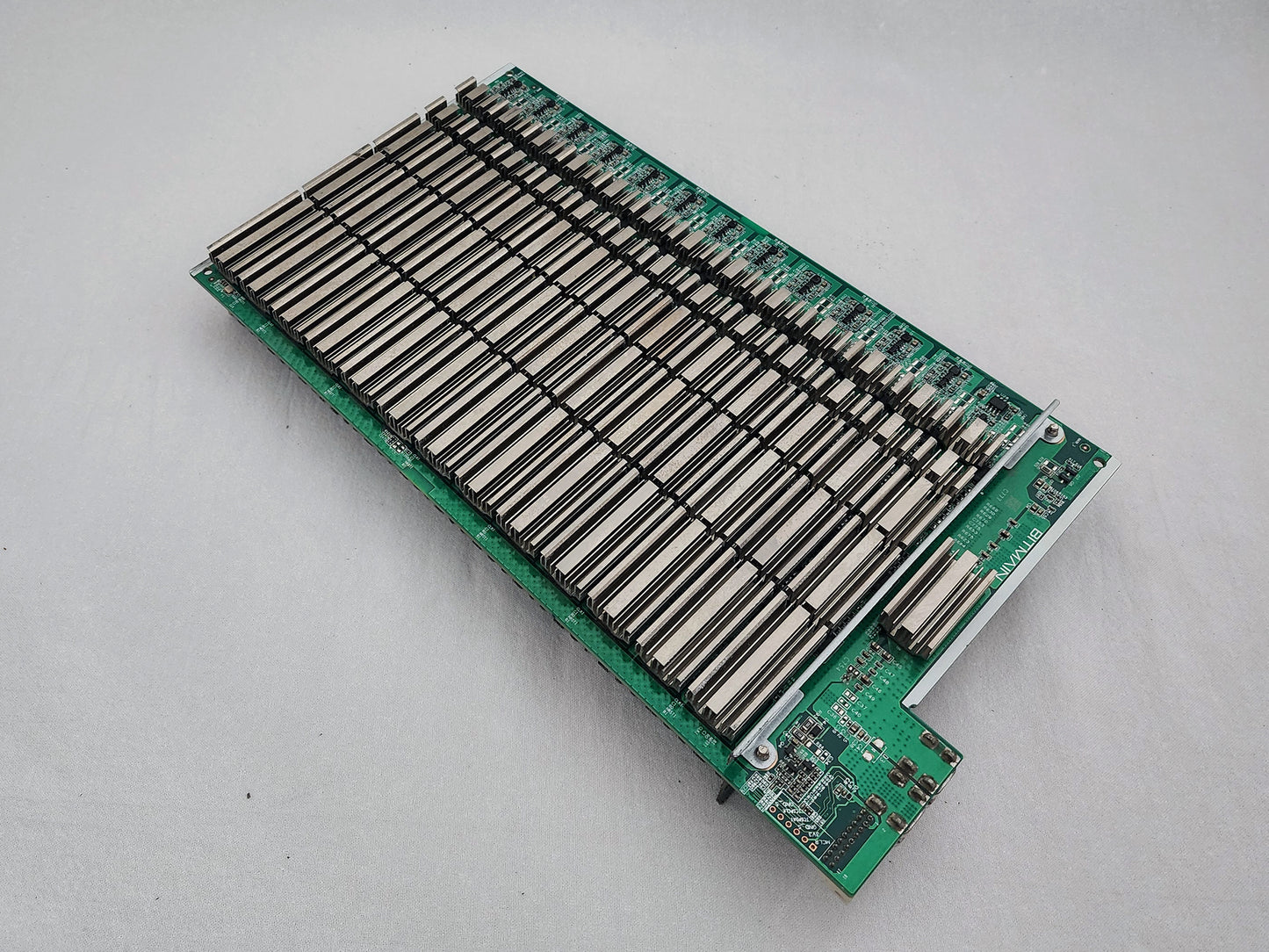
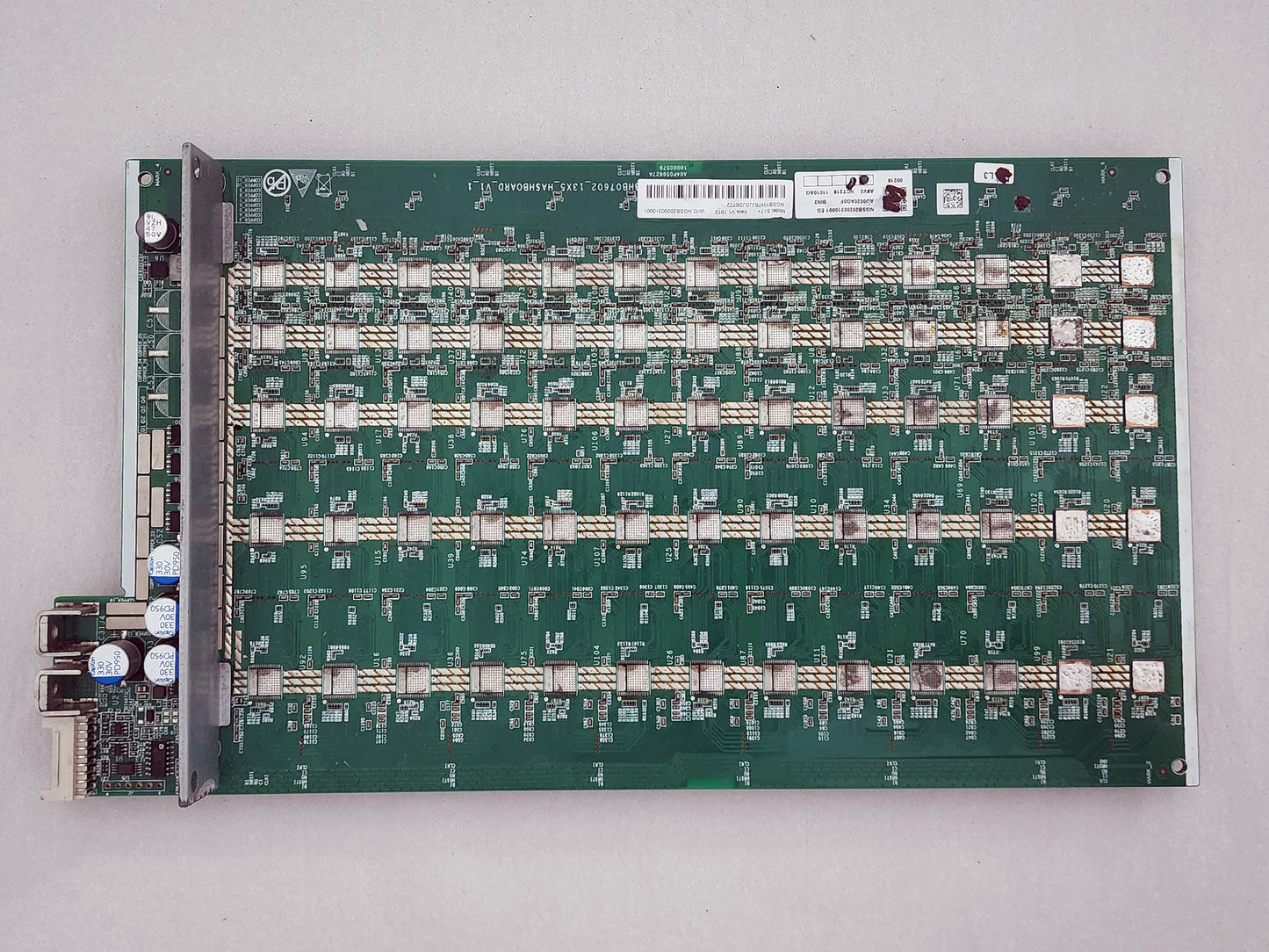
Antminer S17+ hashboard repair targets board-level faults on the 65-chip BM1397 chain using board-level diagnostics, component-level repair, and load validation matched to this model’s thermal and signal architecture.
Technical Diagnostics and Common Issues with Antminer S17+
Quick Symptom Checklist
- One chain shows 0 ASIC detected, including
check_asic_number_with_power_on: Chain[X]: find 0 asicorChain X only find 0 asic, will power off hash board X. - Partial ASIC count below the expected 65 chips, including chain errors where the board repeatedly detects only part of the ASIC chain before being disabled.
- Unstable voltage domains or board startup faults associated with messages such as
Voltage read fail. Will exit., power instability, orERROR_SOC_INIT. - Temperature sensor failures with
read temp sensor failed, including logs that identify a specific chain, sensor, or monitored chip position. - Overheating or load-related shutdown with
Fatal Error: Temperature is too high!,ERROR_TEMP_TOO_HIGH, or a board that drops out after warming up. - EEPROM or board-code faults such as
ERROR_EEPROM_INFO,Failed to read hashboard EEPROM, or inconsistent hashboard identification data.
Model-Specific Patterns We See on Antminer S17+
- 0-ASIC or missing-board bring-up faults. We see S17+ boards where one chain disappears completely even though the miner powers on normally. These cases can involve the early serial-chain path, ribbon or connector integrity, board-side control and boost circuitry, or a broken signal path rather than a simple isolated bad-chip condition.
- Partial enumeration that stops before 65 ASICs. A board may repeatedly report only part of the chain, then shut that hashboard down. On aging S17+ hardware, this pattern often appears after prolonged thermal cycling, localized solder degradation, weakened chip connections, or damage that interrupts communication farther along the 65-chip chain.
- All 65 ASICs detected but effective hashrate remains low. Some S17+ boards enumerate normally yet contribute little or unstable hashrate because nonce response is incomplete, the return path is unreliable, or one or more ASICs fail under actual hashing load.
-
Temperature-sensor faults combined with chain instability. We see boards that remain partially alive but report
read temp sensor failed, unstable thermal telemetry, reduced hashrate-register counts, or repeated shutdown behavior tied to invalid temperature data.
Hardware Notes
| Specification | Details |
|---|---|
| Mining algorithm | SHA-256 |
| Factory miner variants | 67 TH/s, 70 TH/s, 73 TH/s, and 76 TH/s |
| Hashboards per miner | 3 hashboards; nominal per-board contribution is approximately 22.3, 23.3, 24.3, or 25.3 TH/s depending on miner variant |
| ASICs per board | 65 ASIC chips |
| ASIC chip marking | BM1397 family; BM1397AG is commonly identified on S17+ boards, with other BM1397 suffixes appearing in service and replacement stock |
| Board base | Conventional multilayer PCB / FR-4-type architecture rather than an aluminum-backed 19-series substrate |
| Voltage-domain structure | 13 domains with 5 ASICs per domain |
| ASIC chain architecture | Forward clock, command, breakout, and reset signaling runs across the chain toward ASIC 65; the return path runs back toward the beginning of the chain |
| Cooling type | Air-cooled stock miner with four 12038 fans |
| Board support circuitry | Board-side control, boost and low-voltage regulation stages, EEPROM, level shifting, and distributed temperature monitoring; sensor marking can vary by board revision |
| Thermal architecture | Dense individual ASIC heatsink field with bonded thermal interfaces and double-sided cooling structures used on S17+ board assemblies |
Diagnostics Focus
- Separating true 0-ASIC board faults from surrounding causes. Our diagnostics distinguish a failed ASIC chain from ribbon or connector faults, EEPROM or board-code issues, board-side bring-up circuitry faults, and early-chain signal loss that can produce nearly identical symptoms in the miner log.
- Separating successful ASIC detection from successful hashing. A board that reports all 65 chips is not automatically healthy. We evaluate actual nonce response, return-path behavior, thermal stability, and performance under sustained load to identify boards that enumerate correctly but fail during real mining operation.
Our Professional Repair Process
Gotchas
- Bonded heatsink and thermal-interface damage. S17+ boards are known for aging individual heatsink bonds and localized thermal degradation. A board may arrive with weakened heatsink attachment, poor chip contact, or physical chip damage hidden beneath a shifted or previously disturbed heatsink.
- PCB deformation and previous rework. Heat history can leave an S17+ board bowed or locally warped, while earlier rework may disturb nearby passives or create intermittent connections that appear only after the board reaches operating temperature.
Typical Service Scenario
- Hot, dust-loaded farm air. The miner operates for long periods with restricted airflow and contaminated heatsink surfaces, then one board begins losing ASIC count, hashing below the other two boards, or dropping out after warming up.
- Humidity or corrosive exposure. We see S17+ boards with intermittent sensor faults, connector oxidation, unstable low-voltage behavior, or chain errors after operation in humid, coastal, or otherwise corrosive environments.
- Aged or previously reworked hardware. A board may alternate between 0 ASIC, partial ASIC count, and full detection with poor effective hashrate, especially after years of thermal cycling or earlier heatsink and chip work.
What Happens After Intake
After intake, each board moves through incoming inspection → model-specific diagnostics → component-level repair of the actual failed circuitry → cleaning and renewal of applicable thermal interfaces → controlled tester validation → a minimum one-hour run in a real Antminer S17+ under load. We use STASIC and ASIC REPAIR test platforms as appropriate before final real-miner validation. Extended testing beyond the standard validation window is available as a separate service.
Diagnostics & Validation Equipment
STASIC and ASIC REPAIR testers are used for board-level enumeration, signal-chain checks, and pattern validation, while final validation is performed in a real Antminer S17+ under sustained load. Tester results are not treated as a substitute for real-miner behavior when a board shows intermittent chain loss, temperature-sensor faults, or low effective hashrate despite detecting all 65 ASICs.
Contact our repair team today and get your miner back to full power.
Technical FAQ
Q: Why does my Antminer S17+ show “Chain X only find 0 asic” and power off one hashboard?
Q: Why does my Antminer S17+ detect fewer than 65 ASIC chips on one chain?
Q: Why does my Antminer S17+ detect all 65 ASICs but still have low hashrate?
Q: What does “read temp sensor failed” mean on my Antminer S17+ when the hashboard still appears sometimes?
Q: Can you repair an Antminer S17+ with ERROR_EEPROM_INFO or “Failed to read hashboard EEPROM”?
Q: Why does my Antminer S17+ hashboard work when cold but drop ASICs or stop hashing after it heats up?
Q: What does “Voltage read fail. Will exit.” mean on an Antminer S17+?
- Choosing a selection results in a full page refresh.
- Opens in a new window.
Have a repair question?
Ask anything about miner repair, diagnostics, shipping, or your next step.